Why I bought the Enlighten III
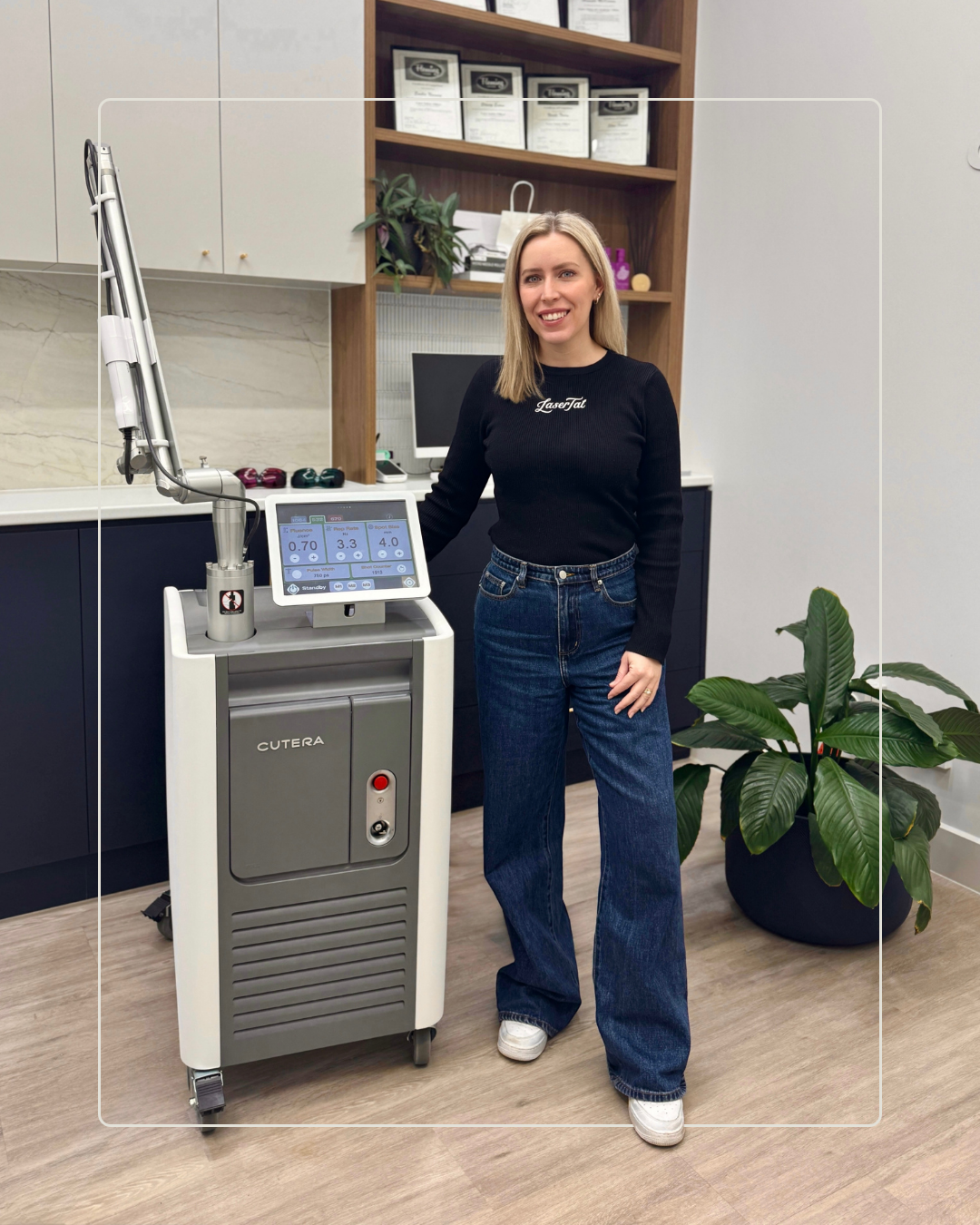
I want to take you behind the scenes of a decision I have been quietly working on for a very long time.
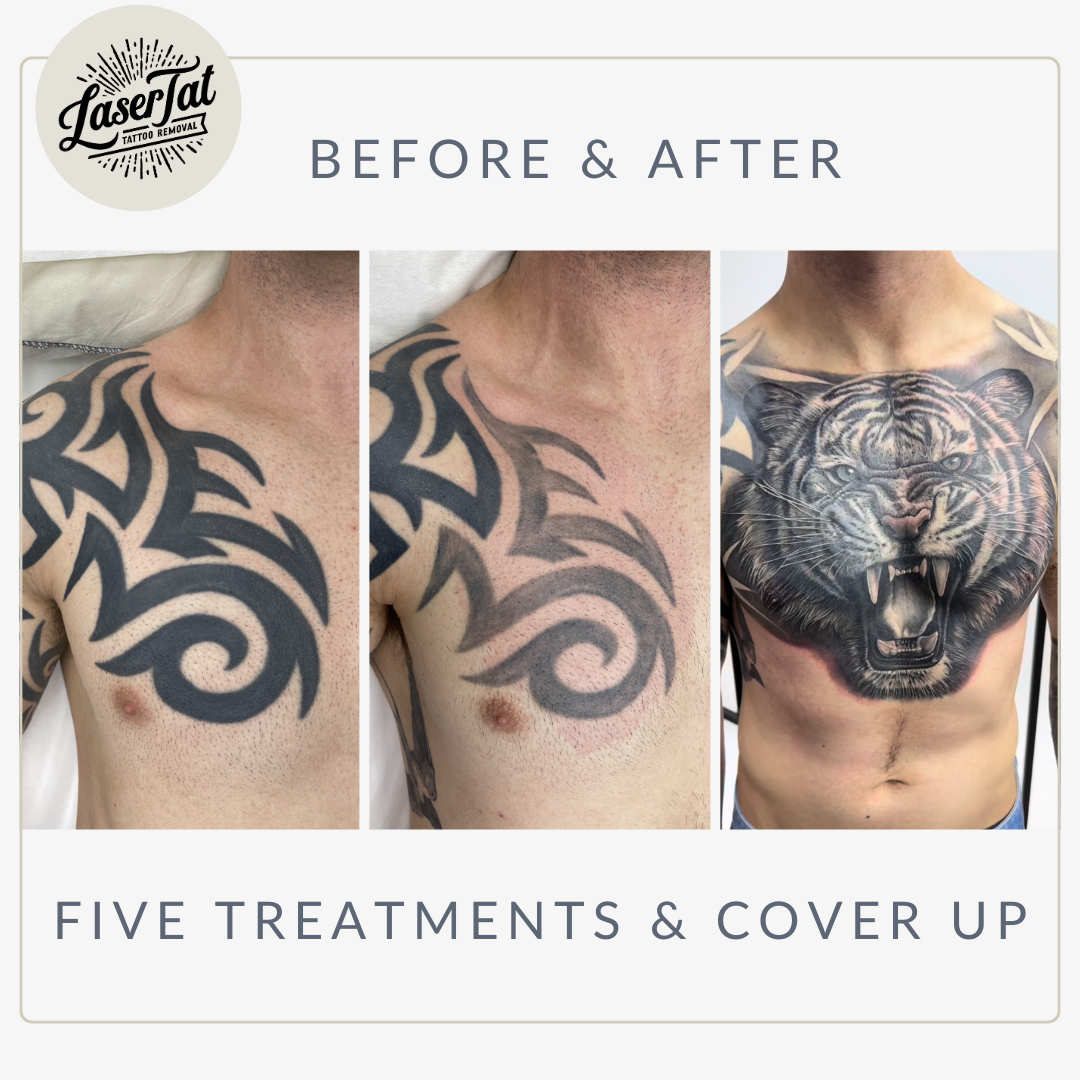
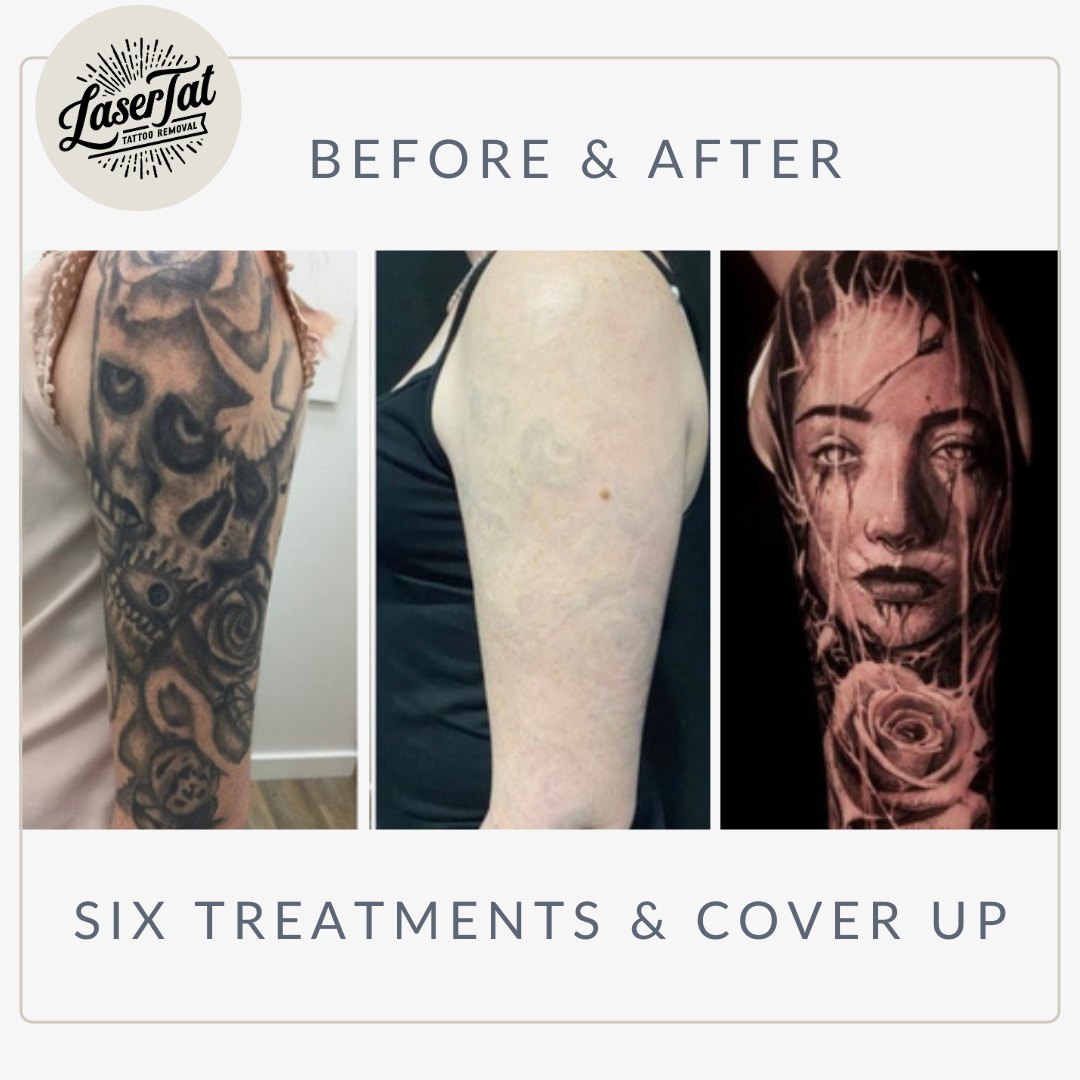
Recently we added a new laser to our clinic at LaserTat, the Cutera Enlighten III. To most people, one laser probably looks much like another. But when someone trusts you with their skin, the machine you choose matters more than almost anything else in the room. So I want to explain, why I chose this particular laser, and what it means for your tattoo removal journey.
We already had lasers we loved, and we still use them every single day. So this was never about replacing something that was working. It was about finding what comes next. This is why I chose the Enlighten III, and why I genuinely believe it is the best tattoo removal laser available right now.
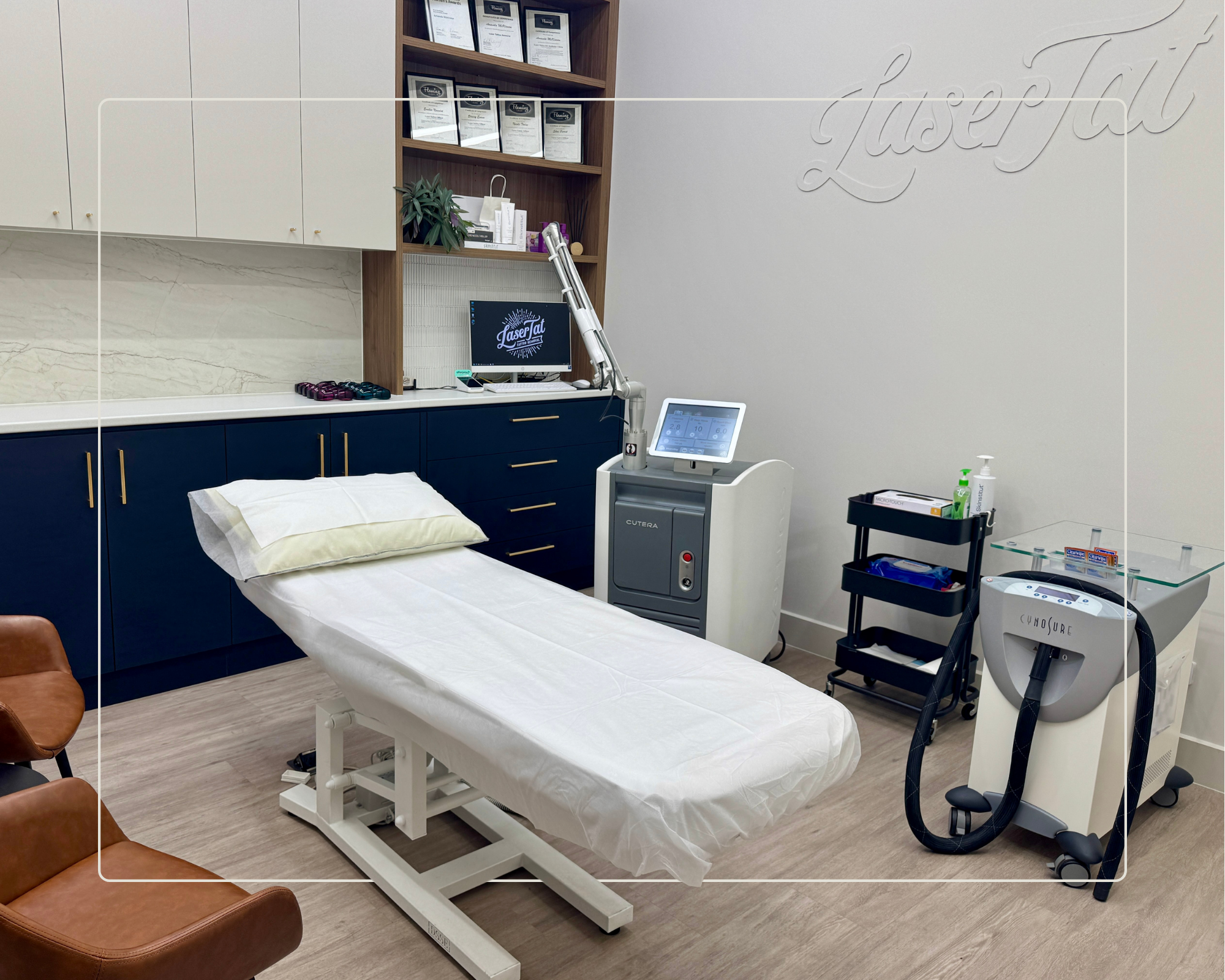
This was not an overnight decision. It took me a year and a half of research. I travelled interstate three separate times just to trial the best tattoo removal lasers available. I was not shopping for a brand or chasing the latest marketing. I was looking for results, the kind we have already built over more than 30,000 treatments since 2012.
Why I would not settle for a "pico only" machine
Some of the lasers I trialled were purely picosecond lasers. And I will be honest with you, I was not convinced they would give our clients the best possible results on their own.
There is a lot of hype in this industry that picosecond technology is the only thing that matters. But after treating thousands of tattoos on both nanosecond and picosecond lasers, I knew the reality was different. Both types of laser are important. I was not willing to give one of them up.
So I set myself a simple brief: find a machine that does everything our current lasers do, both nano and pico, in one platform, with more power and more flexibility. The Enlighten III is the machine that finally ticked every box.
Nano and pico, explained simply…
To understand why this matters for your tattoo, we need to talk about the two main types of laser used in tattoo removal.
Nanosecond lasers deliver energy in billionths of a second. Picosecond lasers are faster again, delivering energy in trillionths of a second, roughly one hundred times shorter. Both work by firing incredibly short pulses of light that shatter the ink into tiny fragments, small enough for your body to clear away naturally through your immune system.
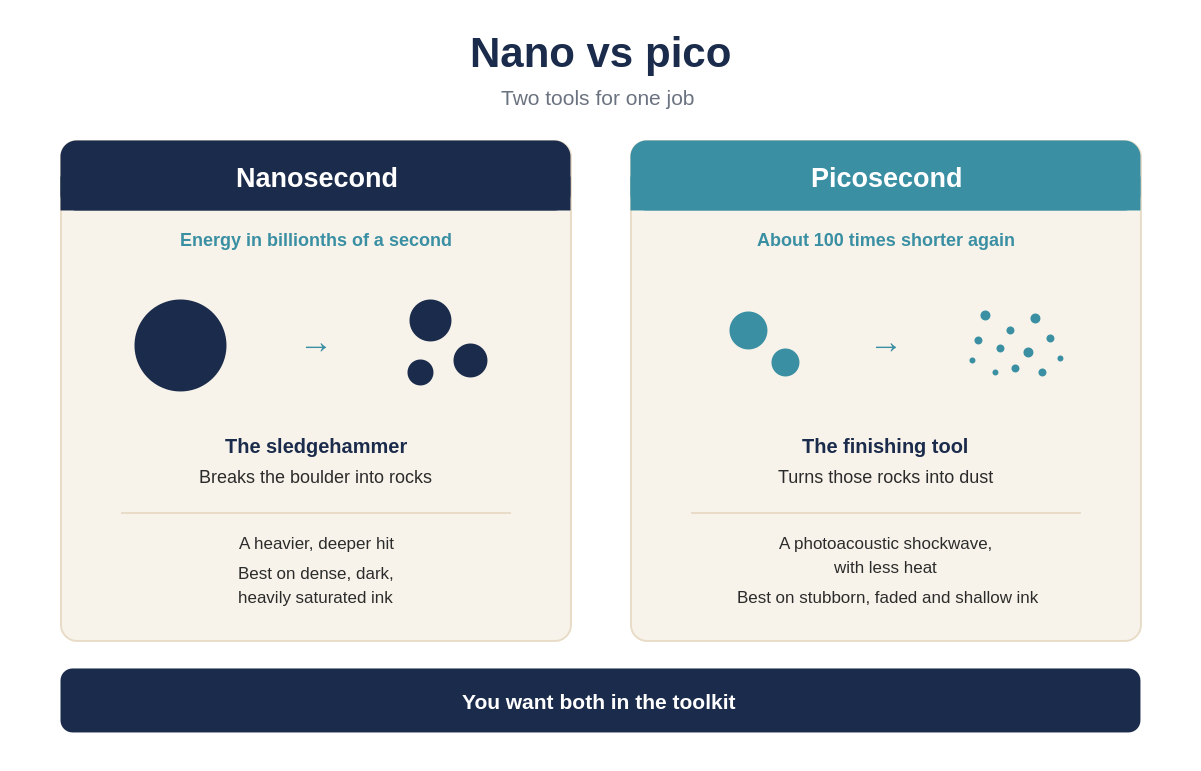
Because a picosecond pulse is so short, the energy goes in faster than the ink can shed heat. The effect is predominantly photoacoustic, essentially a shockwave that fractures ink into very fine particles with less heat spilling into the surrounding skin. Most tattoo ink particles sit somewhere between 30 and 300 nanometres in size, with a thermal relaxation time of under 10 nanoseconds, which is exactly why picosecond pulses fragment them so efficiently. Pico is brilliant on stubborn, faded and shallower ink, and it produces fragments your body can clear more easily.
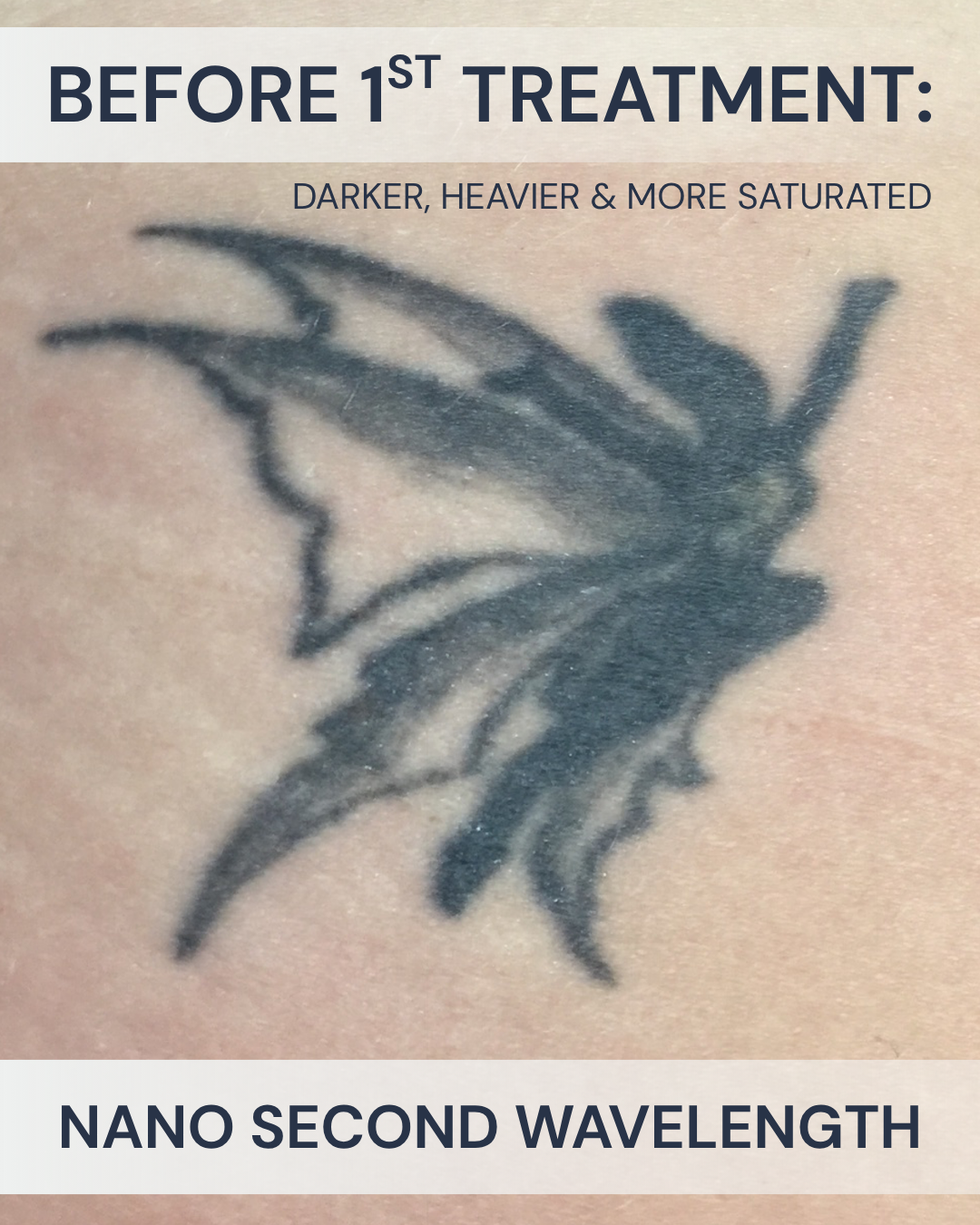
Nanosecond delivers a heavier, deeper hit with more of a photothermal and photomechanical combination. That longer pulse is often exactly what dense, dark, heavily saturated ink needs, particularly in the early stages of a removal. Large ink particles respond better to longer pulse durations, and that is not my opinion, it is how the physics works.
The analogy I use with clients is this. Nano is the sledgehammer that breaks the boulder into rocks. Pico is the finishing tool that turns those rocks into dust. You want both in the toolkit, and you want to be able to choose between them based on what is actually sitting in the skin.
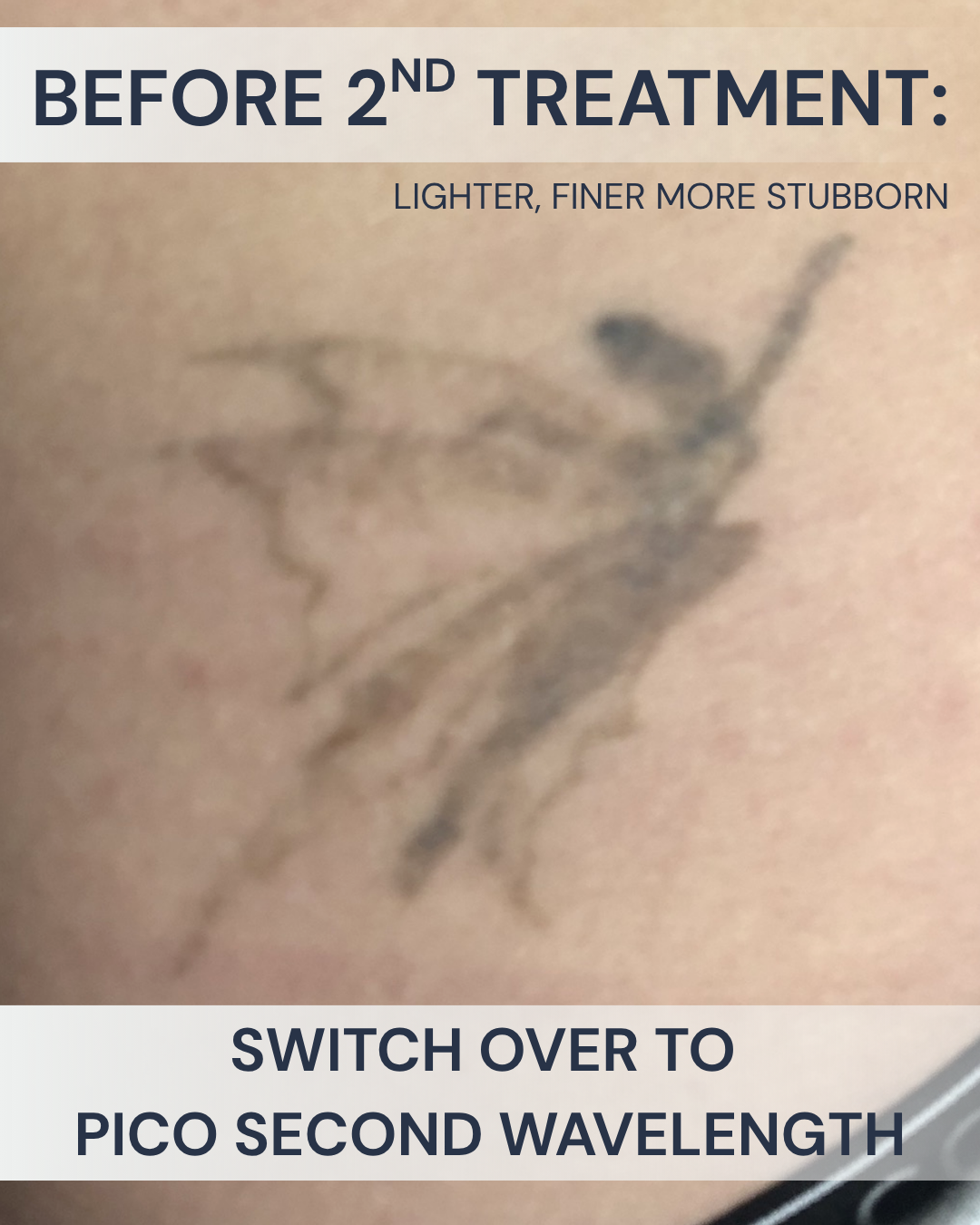
Pico gets the hype. But anyone who has treated thousands of tattoos will tell you that nano still does the heavy lifting on dense, dark ink.
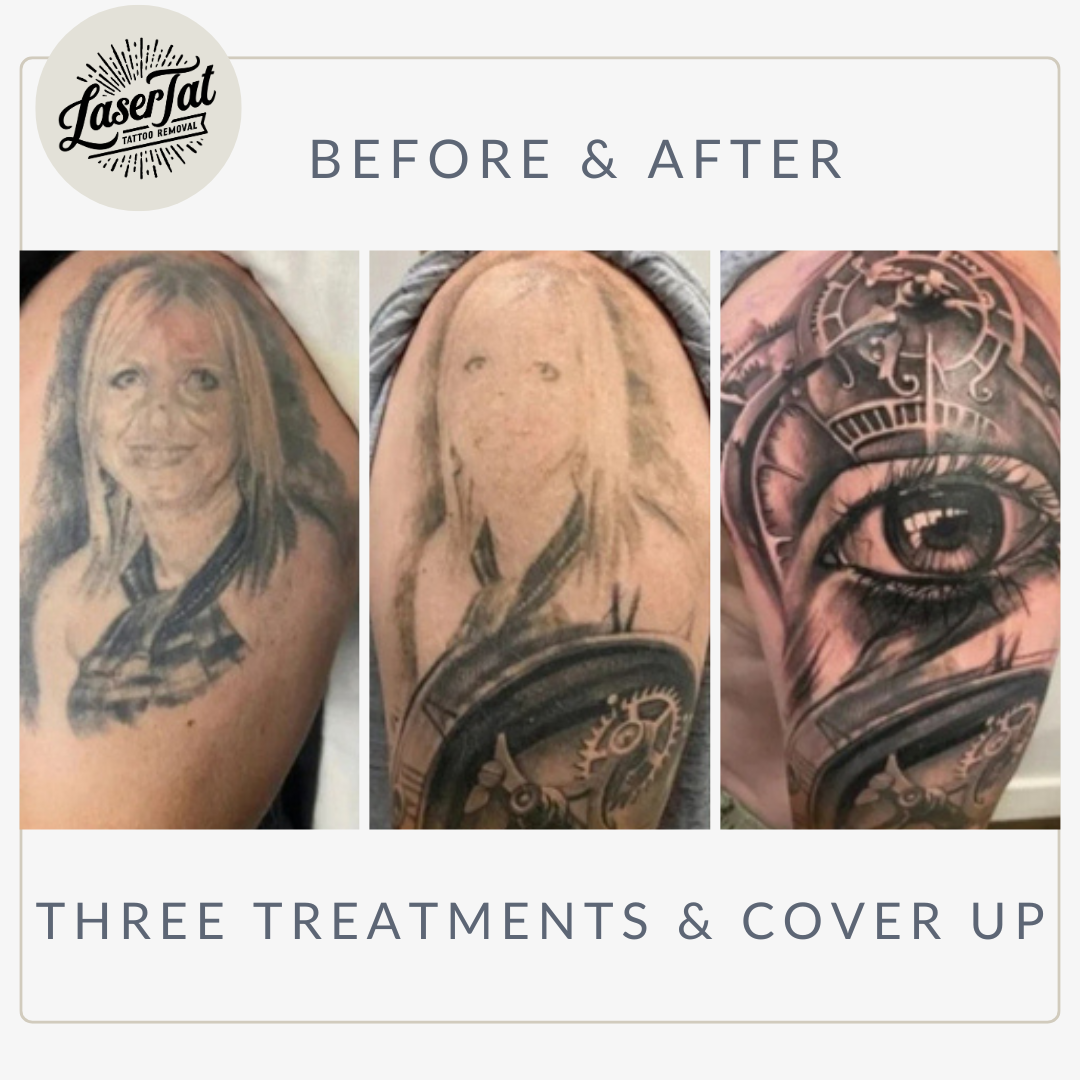
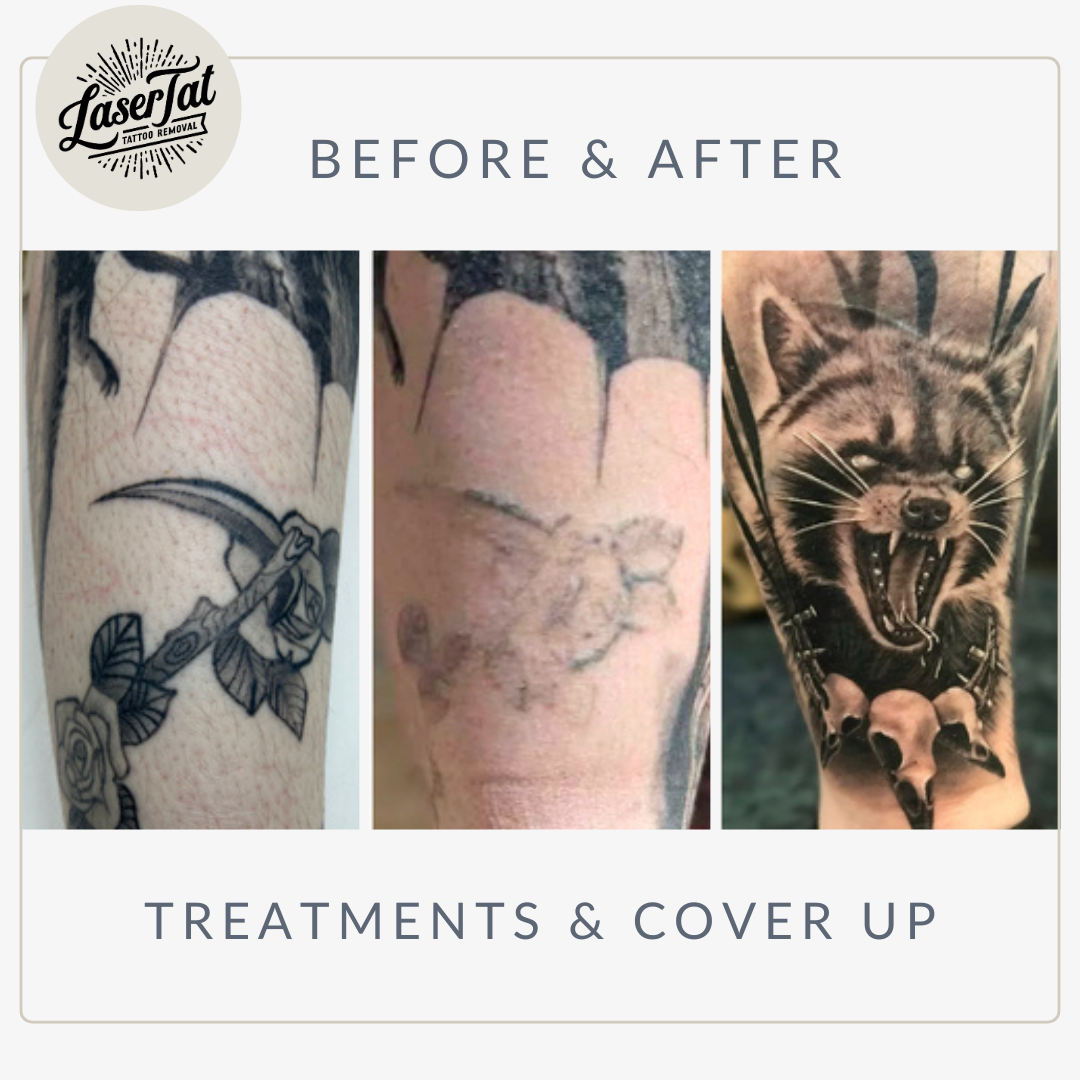
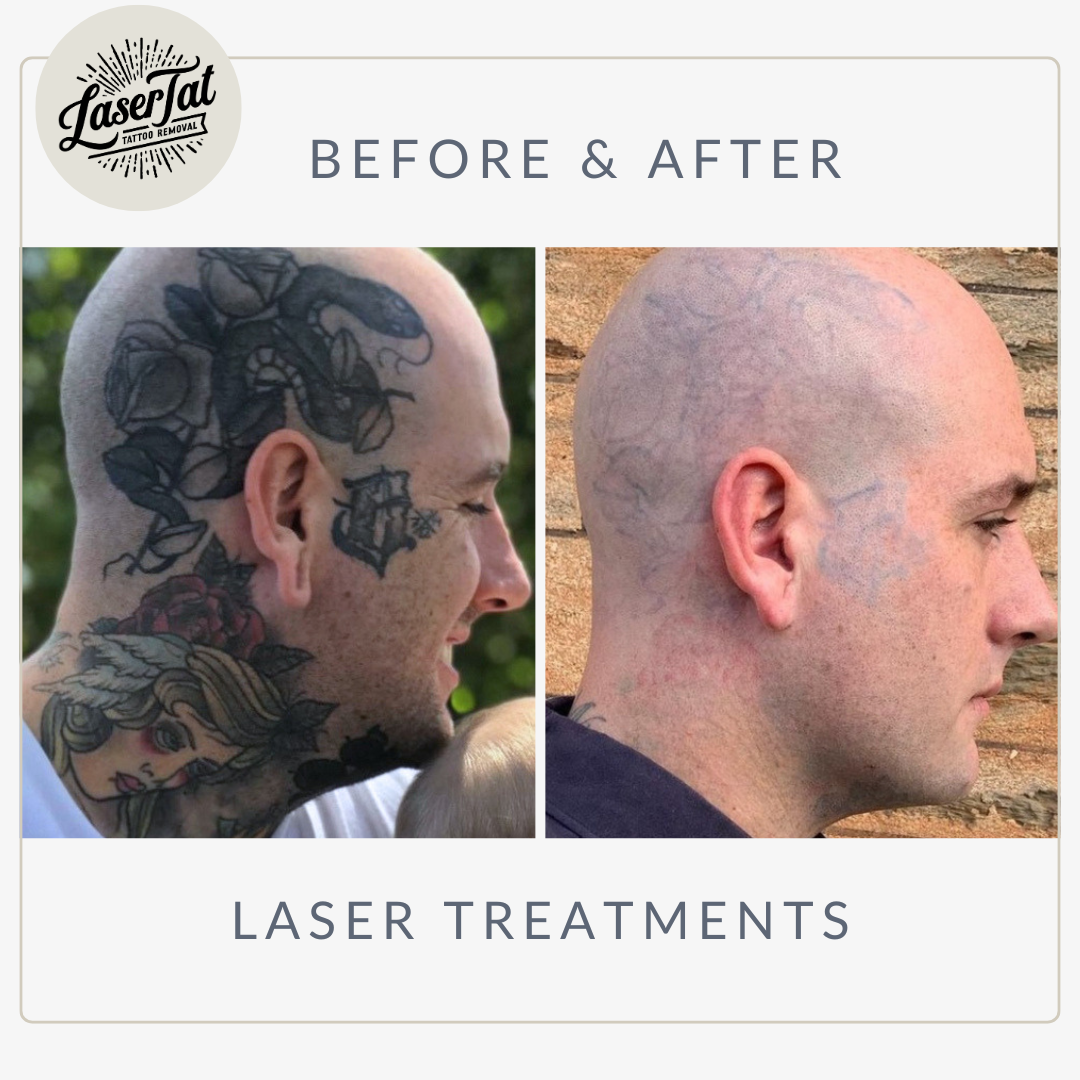
This is not just theory. I have had clients come to me after twenty or more treatments on a picosecond laser elsewhere, where their fading had completely stalled. We treated them on a nanosecond laser to break up that stubborn, dense ink, and suddenly they started seeing progress again. If a clinic only owns one type of laser, every tattoo gets treated the same way.
The Enlighten III lets us switch between nano and pico at the touch of a button, so we can use the right tool at every single stage of your removal.
The power, and why spot sizes matter
When I finally trialled the Enlighten III, I was blown away by the power.
The Enlighten III delivers 800 millijoules of pulse energy at its 1064 nanometre wavelength. That is among the highest available in a combined pico and nano platform, and it was noticeably stronger than several of the machines I trialled, some of which were sitting at around half that output. Power is not about being aggressive. Power is about having headroom, so you can reach the right endpoint without having to compromise somewhere else.

That power unlocks one of the machine's biggest advantages: access to very large spot sizes. The spot size is simply the diameter of the laser beam hitting your skin. On our previous lasers we were often starting at 6mm. The Enlighten III offers 7mm, 8mm, 9mm, and up to a large 10mm spot size, all while holding onto real power.
Big spot sizes with real power behind them are rare. Plenty of machines will list a 10 millimetre spot on the spec sheet but cannot deliver useful energy through it, which makes the number fairly meaningless. The Enlighten III can, and I saw those endpoints myself when I trialled it.
So why does a bigger spot size matter so much? It comes down to physics.
When laser light enters the skin, it naturally scatters. With a small spot size, a lot of that energy scatters sideways and never reaches the deep ink. With a large 10mm spot size, the light in the centre of the beam is shielded from that scatter, so the laser travels much deeper into the skin without us having to increase energy or heat.
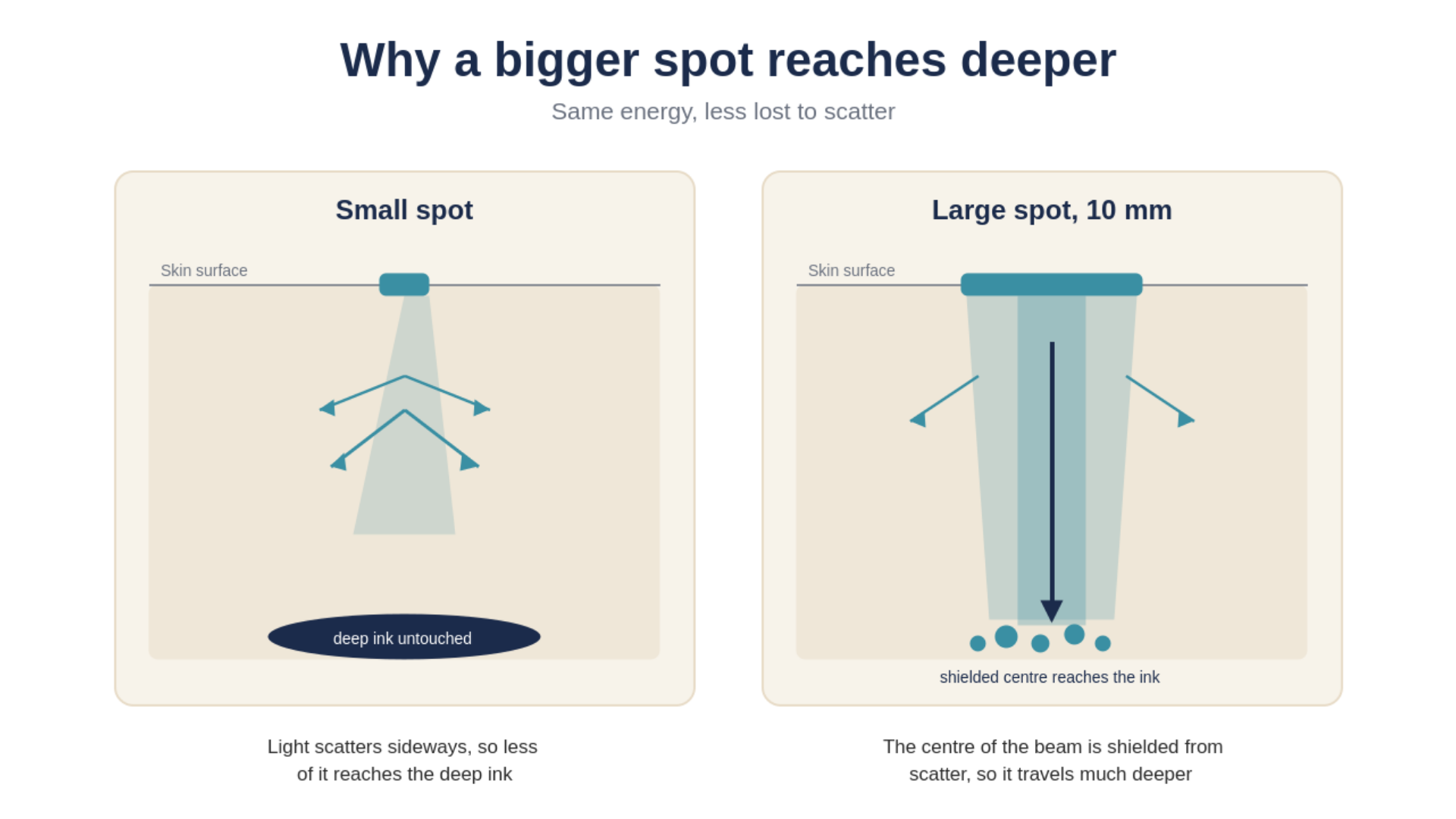
For you, this means three real benefits. We can reach that deep, stubborn ink safely. We reduce the risk of surface trauma like blistering. And we can treat larger tattoos faster, because a bigger beam covers more ground with every pulse.
Three wavelengths for every colour
Tattoos are complex, and different ink colours need different wavelengths of light to break them down. The Enlighten III has three fully integrated wavelengths in the one machine.
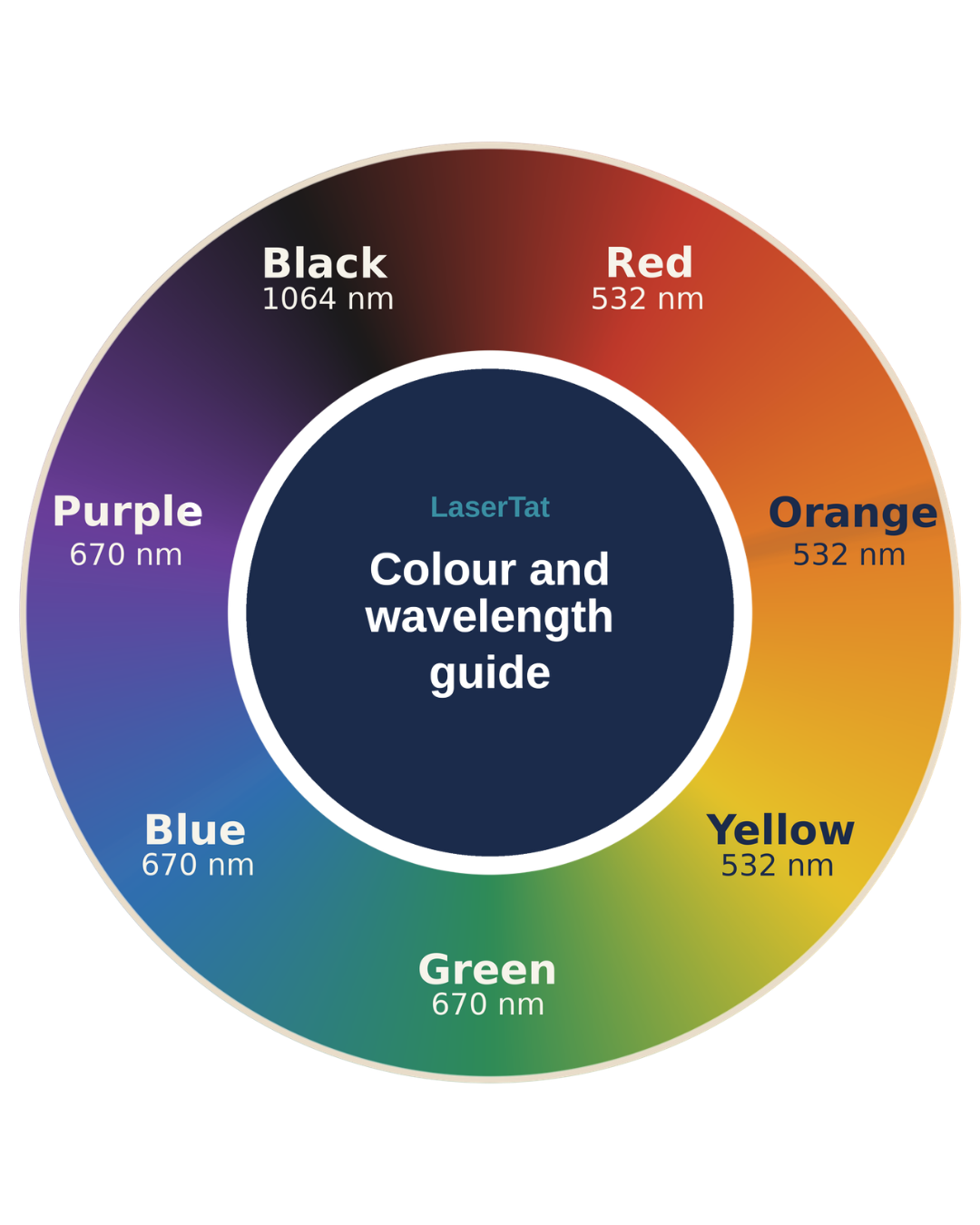
The 1064nm wavelength is our workhorse for black and dark inks, and it is the safest across all skin types. The 532nm targets warm colours like reds, oranges and yellows. And the 670nm wavelength is really special, designed specifically to target those notoriously difficult blue and green inks that many lasers struggle with.
Having all three wavelengths, combined with the choice of nano or pico speeds, means we can effectively treat almost any tattoo colour that walks through our doors, all with one machine.
I want to be really clear about something here. This is not about throwing out the lasers we have used for years. Our PicoSure and Q-Switch technology has been brilliant, and we still use it alongside the Enlighten III. The difference is that where we once needed separate machines to cover everything, the Enlighten III brings all of those capabilities together into a single, more powerful platform.
What all of this actually means for you
Here is the part that matters most.
Every tattoo is different. The ink density, the depth it was placed at, the colours used, how old it is, your skin type, your general health, how efficiently your lymphatic system clears fragments. All of it varies, and all of it changes as your removal progresses.
So at every single appointment we make a series of decisions. Pico or nano. Which wavelength. Which spot size. What energy. What endpoint we are aiming for on the day. As your tattoo fades, those decisions change with it, because the ink you are treating in session eight is a completely different target to the ink you were treating in session one.
No two treatment plans at LaserTat look the same, because no two tattoos are the same. Tailoring at every session is how you get safer treatments and the best possible progress, and having a machine that can genuinely adapt with you is what makes that possible.
I will always be honest with you about expectations. No laser removes every tattoo in a set number of sessions, and any clinic that promises you a fixed number is not being straight with you. What the right technology does is give your tattoo the best possible chance at every single appointment, and give us the tools to keep moving when things slow down.
That is why I bought the Enlighten III. Everything about this machine is built for exactly this job. The wavelengths, the energy, the spot sizes and both pulse technologies in one platform.

There is nothing about it that feels like a compromise, and after a year and a half of looking, that is a rare thing to be able to say.

Ready to start your removal journey?
If you have been thinking about changing your mind on a tattoo, fading an old piece to make room for new art, or you have been treated somewhere else and your progress has stalled, I would love to help.
Come in for a chat. We will assess your tattoo, talk through your goals, and give you realistic expectations, with no pressure and no judgement. You can book a consultation online, or send us a photo of your tattoo and we will talk you through your options.
We are so excited to be offering this technology at LaserTat, and I cannot wait to show you what it can do.