

Nano vs Pico: what's the difference?
Picosecond lasers get a lot of attention online, and many people walk in believing pico is the only technology worth having. But after more than 30,000 treatments since 2012, we've learnt that the answer isn't that simple.
Both nanosecond and picosecond lasers have an important job in tattoo removal. The real question isn't which one is better. It's which one is right for your tattoo, at the stage your tattoo is at right now.
Here's what the difference actually is, and why it matters for you…
What is a nanosecond laser?
Nanosecond lasers have been the backbone of tattoo removal for decades. You'll often hear them called Q-Switch lasers. They deliver energy in pulses measured in billionths of a second.
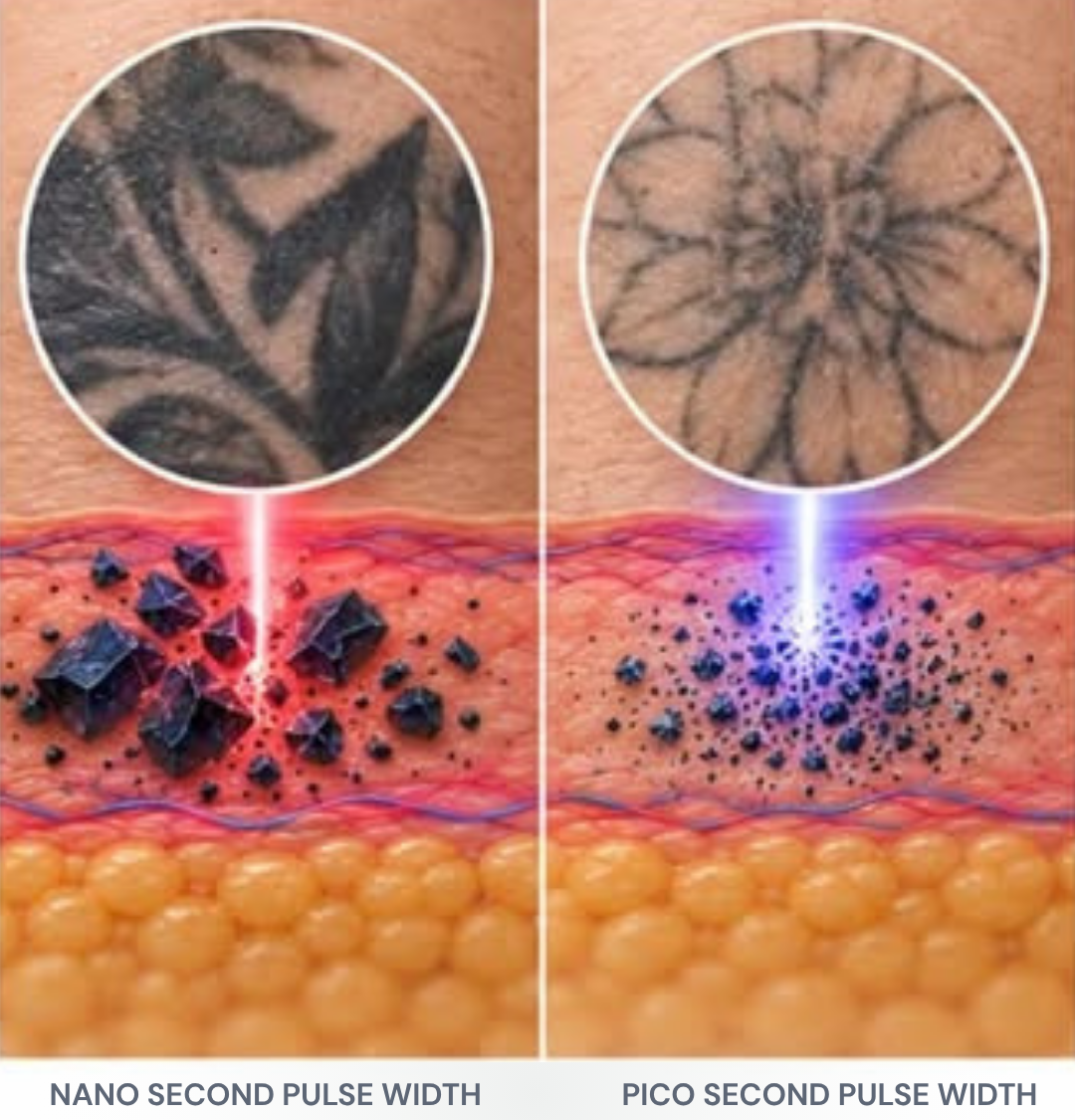
That might sound incredibly fast, and it is. But compared to pico, it's a slightly longer pulse. That extra time creates a heavier, deeper impact that combines heat and mechanical force to break the ink apart.
This is exactly what dense, dark, heavily saturated ink needs. Larger ink particles respond better to longer pulses, which is why nano is so effective in the early stages of removal. Think of a solid black tribal piece or a thick, older tattoo that was packed in heavily. Nano does the heavy lifting here.
What is a picosecond laser?
Picosecond lasers are faster again. They deliver energy in trillionths of a second, roughly one hundred times shorter than a nanosecond pulse.
Because the pulse is so short, the energy goes in before the ink has time to heat up. Instead of relying on heat, Pico creates a shockwave effect that fractures the ink into very fine particles. Less heat spills into the surrounding skin, and those smaller fragments are easier for your body to clear.
Pico really shines on ink that has already been broken down, faded tattoos, finer linework and stubborn colours.
It's brilliant at picking up the last traces of ink that a nano laser has already started to breakdown.
So which one is better?
Honestly, neither. They're different tools for different jobs.
The way we explain it to clients is simple. Nano is the sledgehammer that breaks the boulder into rocks. Pico is the tool that turns those rocks into dust. Most tattoos benefit from both.
Why "pico only" isn't always the answer
We regularly see clients who have had many sessions on a pico laser elsewhere, only for their fading to stall. In a lot of these cases, the ink was simply too dense for pico to break down on its own. When we switch them to a nanosecond laser, the progress often picks up again.
The same is true the other way around. A tattoo that has faded well on nano can reach a point where pico is the better choice to finish the job.
If a clinic only has one type of laser, every tattoo gets treated the same way. That's why we've always invested in both.
The technology we use
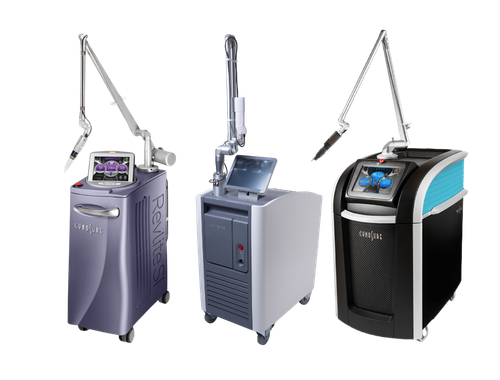
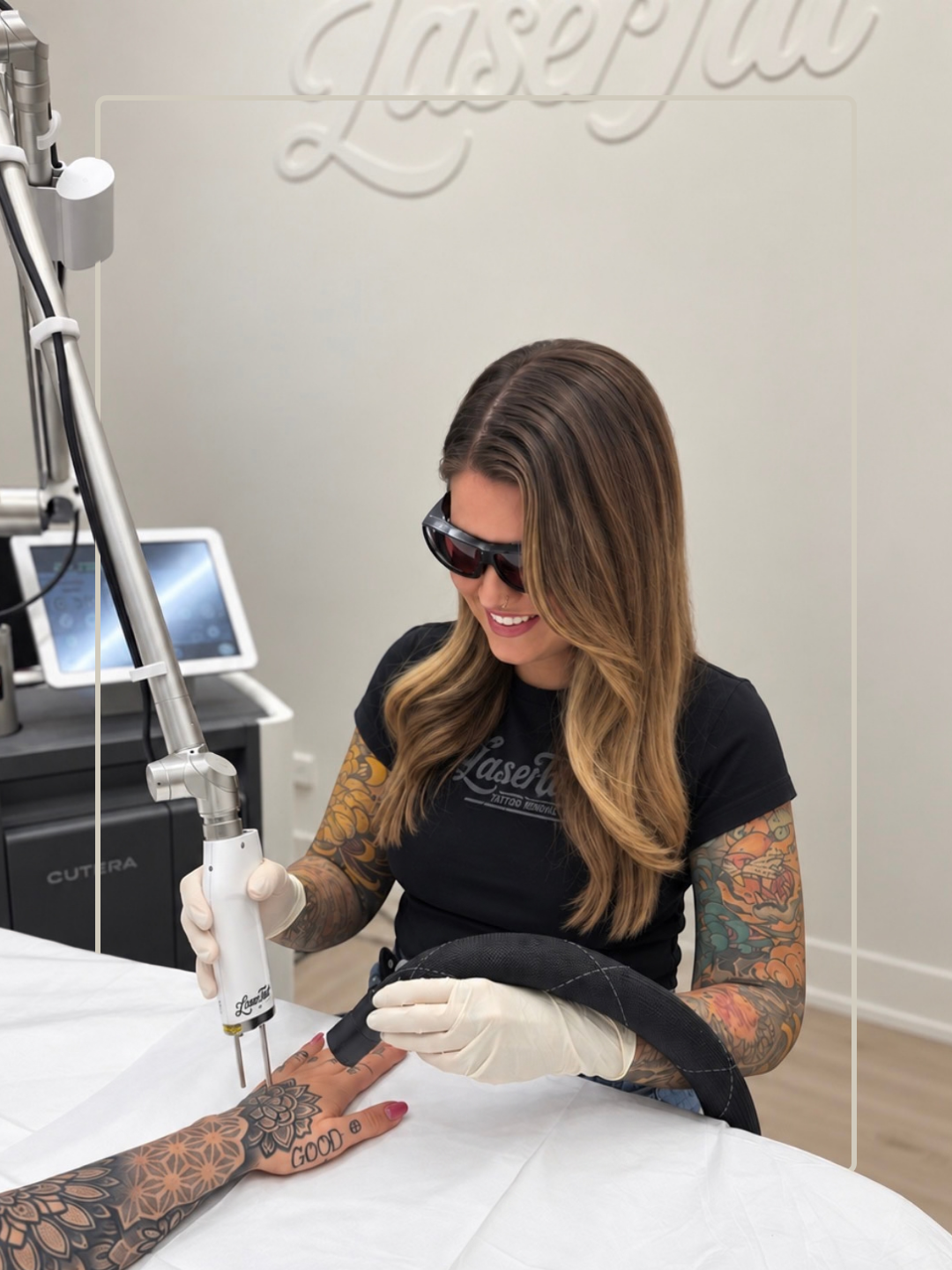
At LaserTat we use the Cutera Enlighten III, alongside our Cynosure PicoSure and Q-Switch technology. The Enlighten III combines nano and pico in one machine, with three wavelengths, so we can switch between the two depending on what your tattoo needs on the day.
If you'd like the full story behind that decision, you can read why I bought the Enlighten III.
What this means for your treatment
Every tattoo is different. The ink density, colours, depth, age of the tattoo and your skin type all play a part. And all of it changes as your removal progresses. The ink we treat in your first session is a very different target to the ink we treat in later treatments.
That's why we reassess at every appointment. We look at how your skin healed, how much the ink has faded and what's left to break down. Then we decide whether nano or pico is the right choice for that session.
No laser can promise a set number of sessions, and we'll always be upfront about that. What having both technologies does is give your tattoo the best possible chance at every stage, and give us options when progress slows down.
Not sure where to start?
Whether you’re starting fresh, fading for a cover up, or your progress has stalled somewhere else, we’d love to help.
Come in for a consultation and we’ll assess your tattoo, talk through your goals and give you honest expectations, with no pressure and no judgement.