
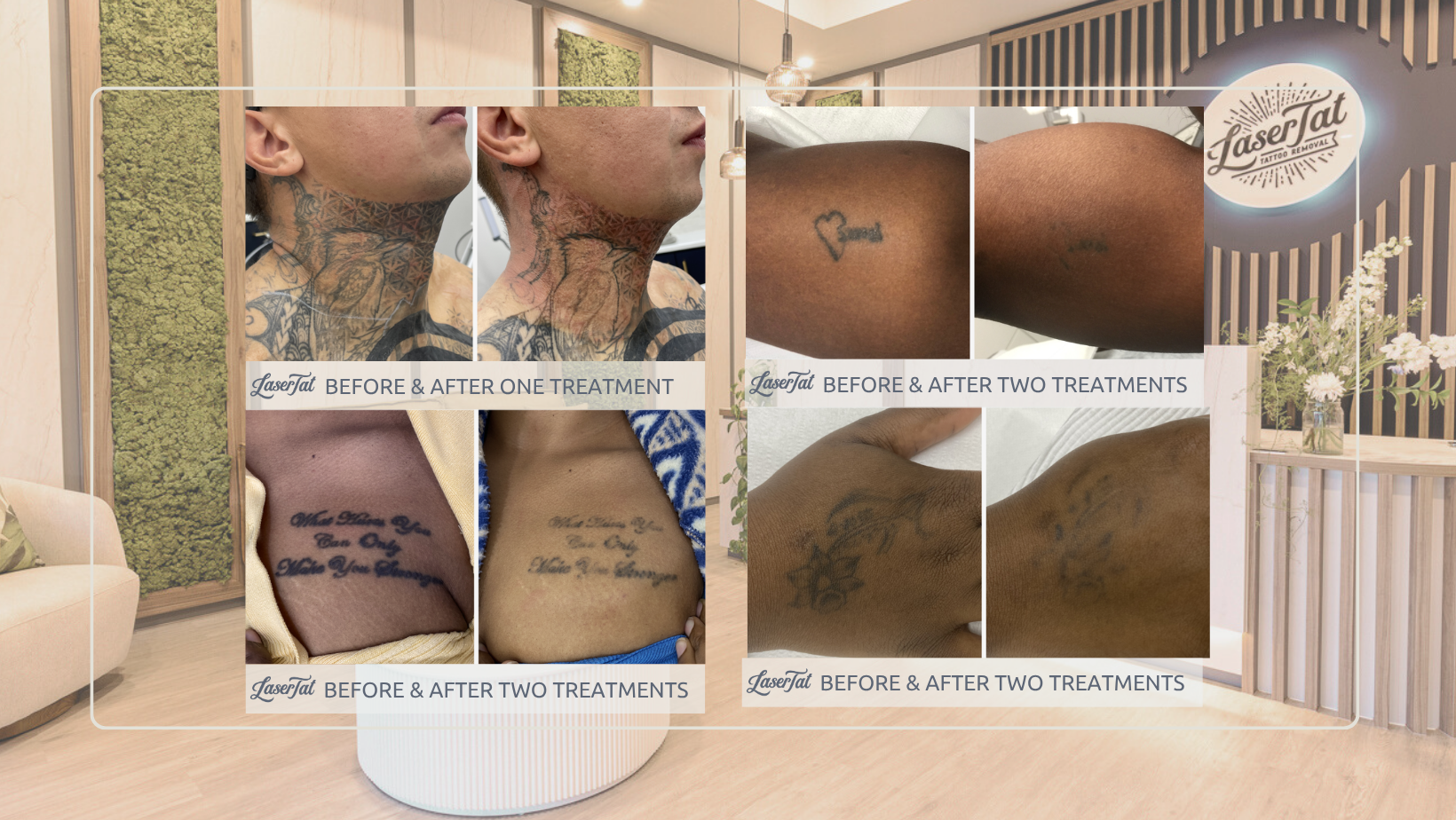
The complete guide for all skin tones
One of the most common questions we get asked at LaserTat is:
"Is laser tattoo removal safe for my skin tone?"
For a long time, there was a misconception that laser tattoo removal was only effective or safe for people with lighter skin. While it is true that treating darker skin tones requires a more specialised approach and advanced technology, the answer is not straightforward. With the right equipment, the right wavelengths, and an experienced team who understands how to work with your skin type, laser tattoo removal can be performed safely and effectively. But not every clinic has the knowledge or technology to do this well, and choosing the right provider matters more than ever when you have a darker skin tone.
At LaserTat, we believe everyone deserves a fresh start, regardless of their skin type. Here is exactly how we safely and effectively fade and remove tattoos for our clients with darker skin tones…
Understanding the Fitzpatrick Scale
In the laser industry, we use the Fitzpatrick Scale to classify skin types.
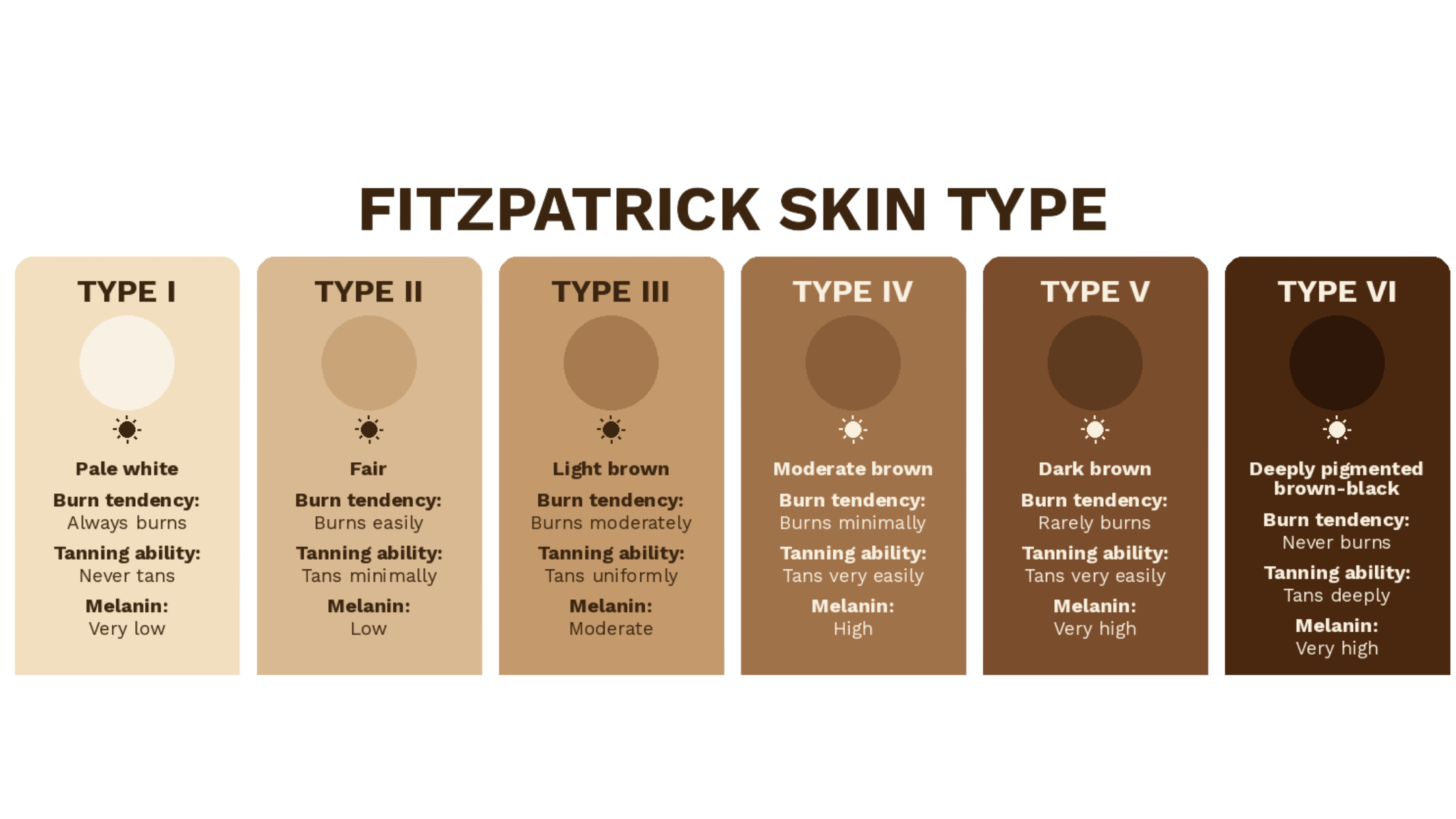
This scale ranges from Type I (very fair skin that always burns and never tans) to Type VI (deeply pigmented dark brown to black skin that never burns). The reason this matters is because lasers target pigment (melanin). Tattoos are made of pigment, but so is your skin.
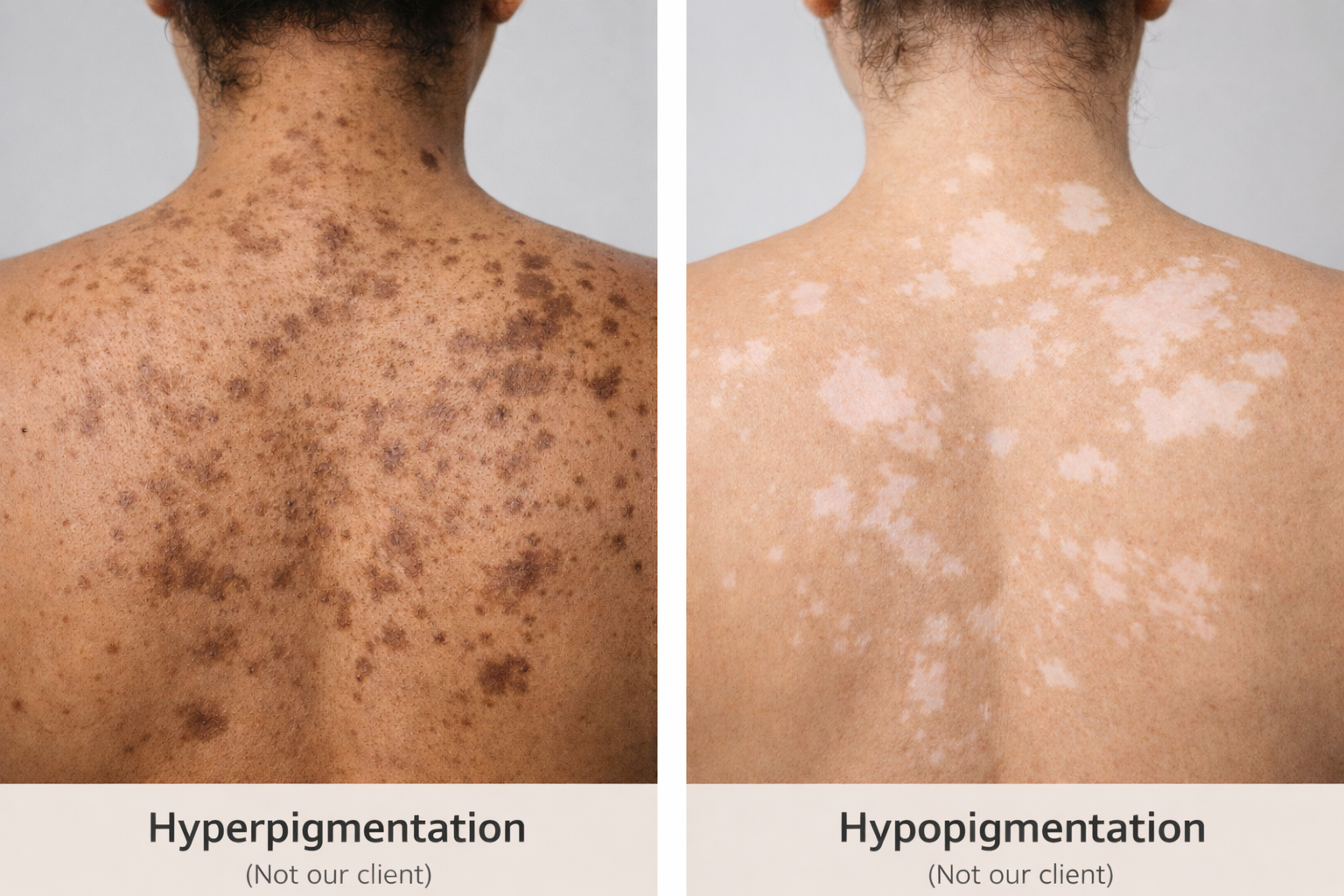
For clients with Fitzpatrick skin types IV, V, and VI, there is naturally more melanin in the skin. If the wrong laser or incorrect settings are used, the laser might target the skin's natural melanin instead of just the tattoo ink.
This can lead to complications such as hypopigmentation (lightening of the skin) or hyperpigmentation (darkening of the skin).
This is why a "one size fits all" approach to tattoo removal simply does not work.
The right technology: why wavelengths matter
The secret to safely treating darker skin tones lies in the specific wavelength of the laser.
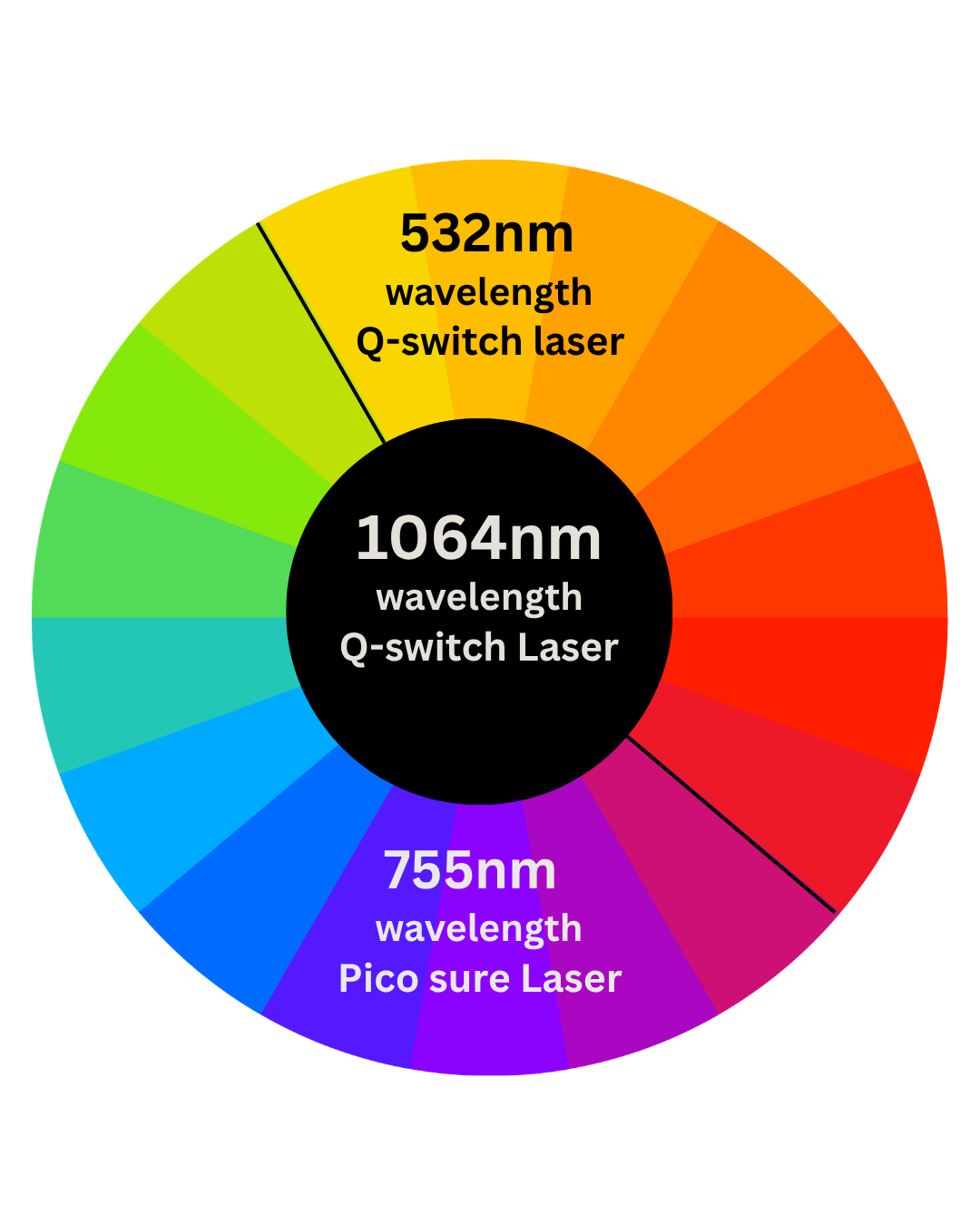
At LaserTat, we use industry-leading technology including the Cynosure PicoSure, Cynosure RevLite, and Cynosure MedLite lasers.
When treating clients with darker skin tones, we specifically utilise the 1064nm wavelength.
Why? Because the 1064nm wavelength has the lowest melanin absorption rate. This means it can safely bypass the skin's natural pigment and go straight for the dark tattoo ink sitting deeper in the dermis. It allows us to shatter the ink particles effectively and reduce the risk of causing damage to the surrounding skin tissue.
While the 755nm wavelength is highly effective at targeting darker pigments like black, blue, and purple ink, it isn’t always the safest option for every skin tone.
In clients with higher levels of natural melanin, this wavelength can also be absorbed by the surrounding skin, increasing the risk of unwanted pigmentation changes such as hypopigmentation or hyperpigmentation. For this reason, we take a tailored approach and may opt for alternative settings or wavelengths to ensure both safe and effective results.
Our approach: slow, steady, and safe
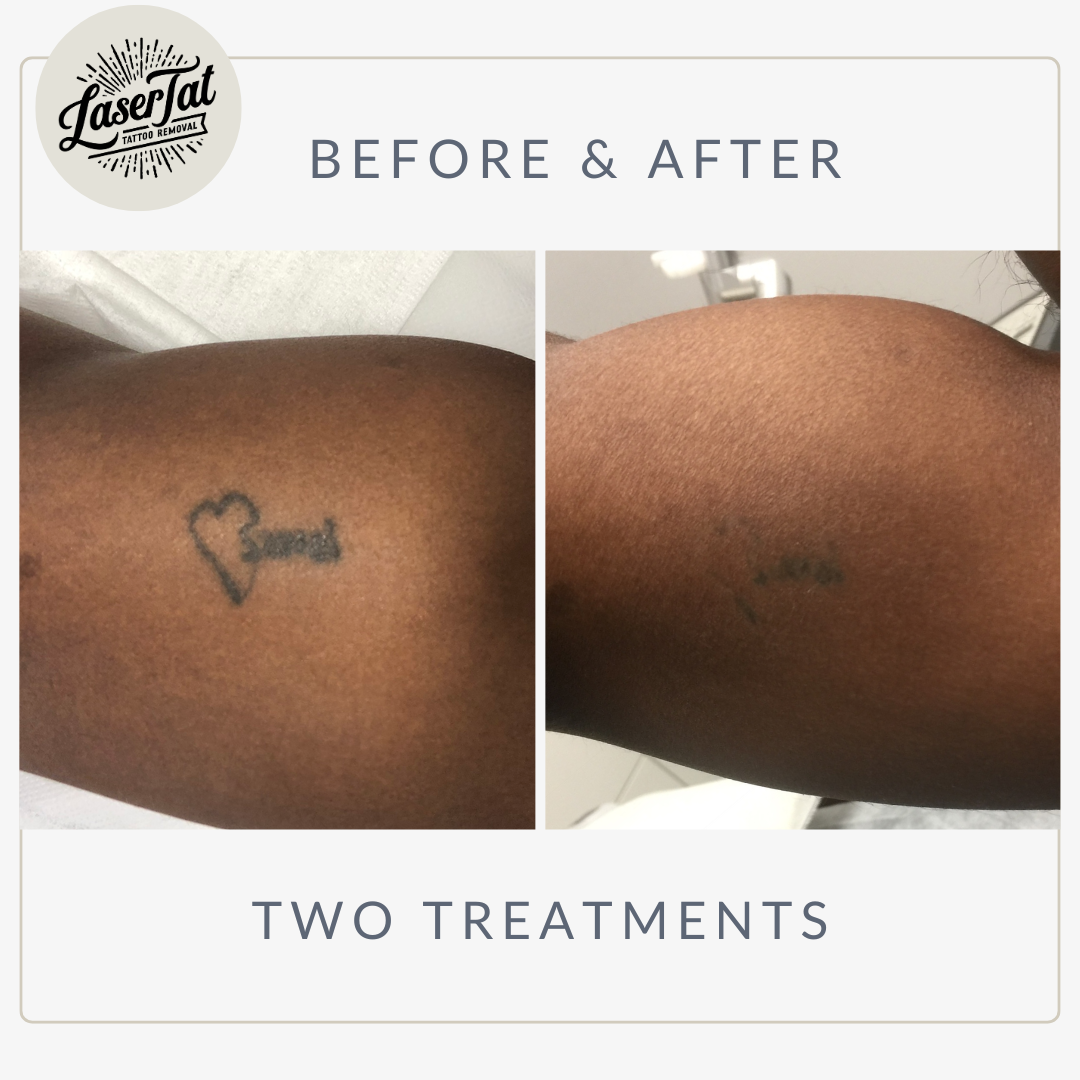
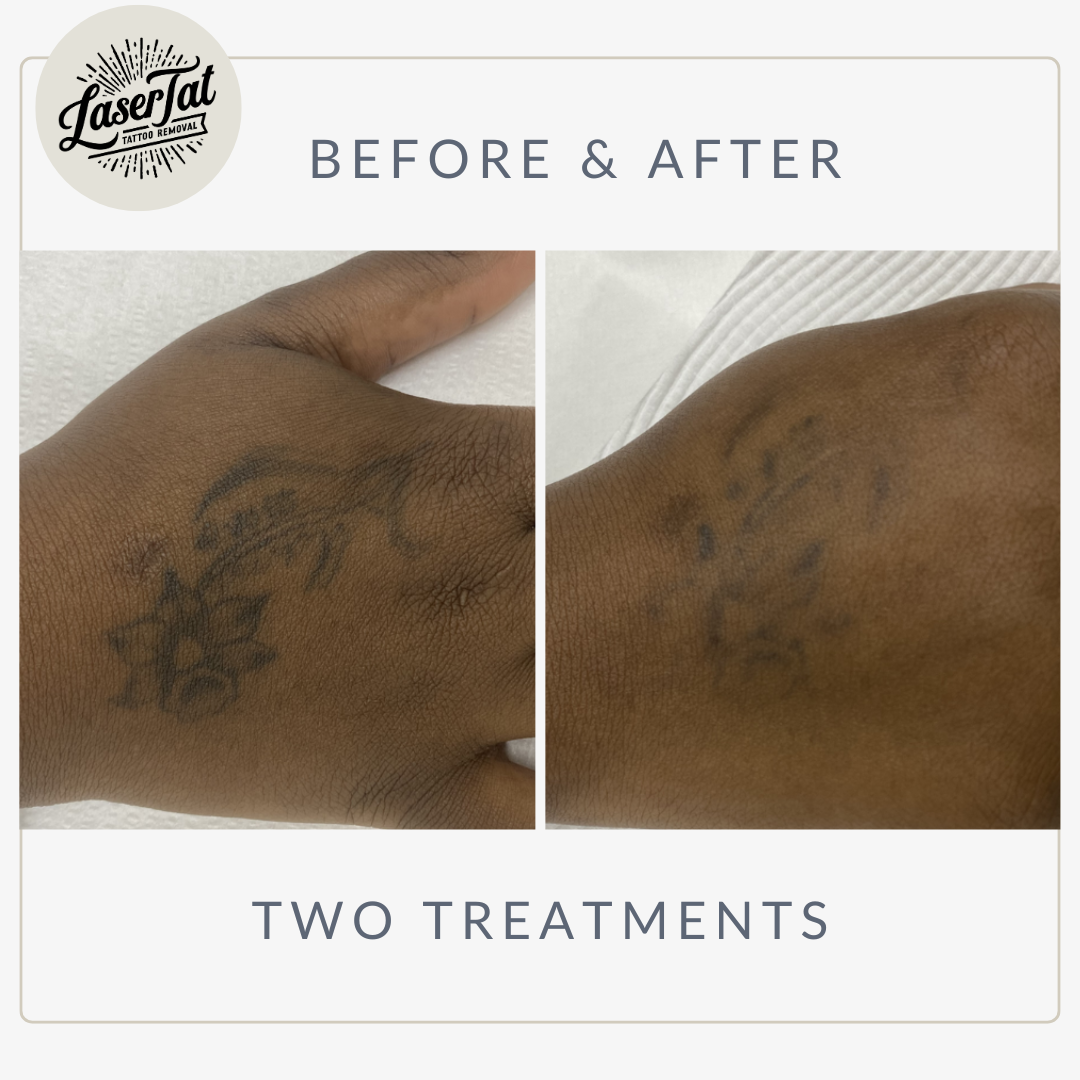
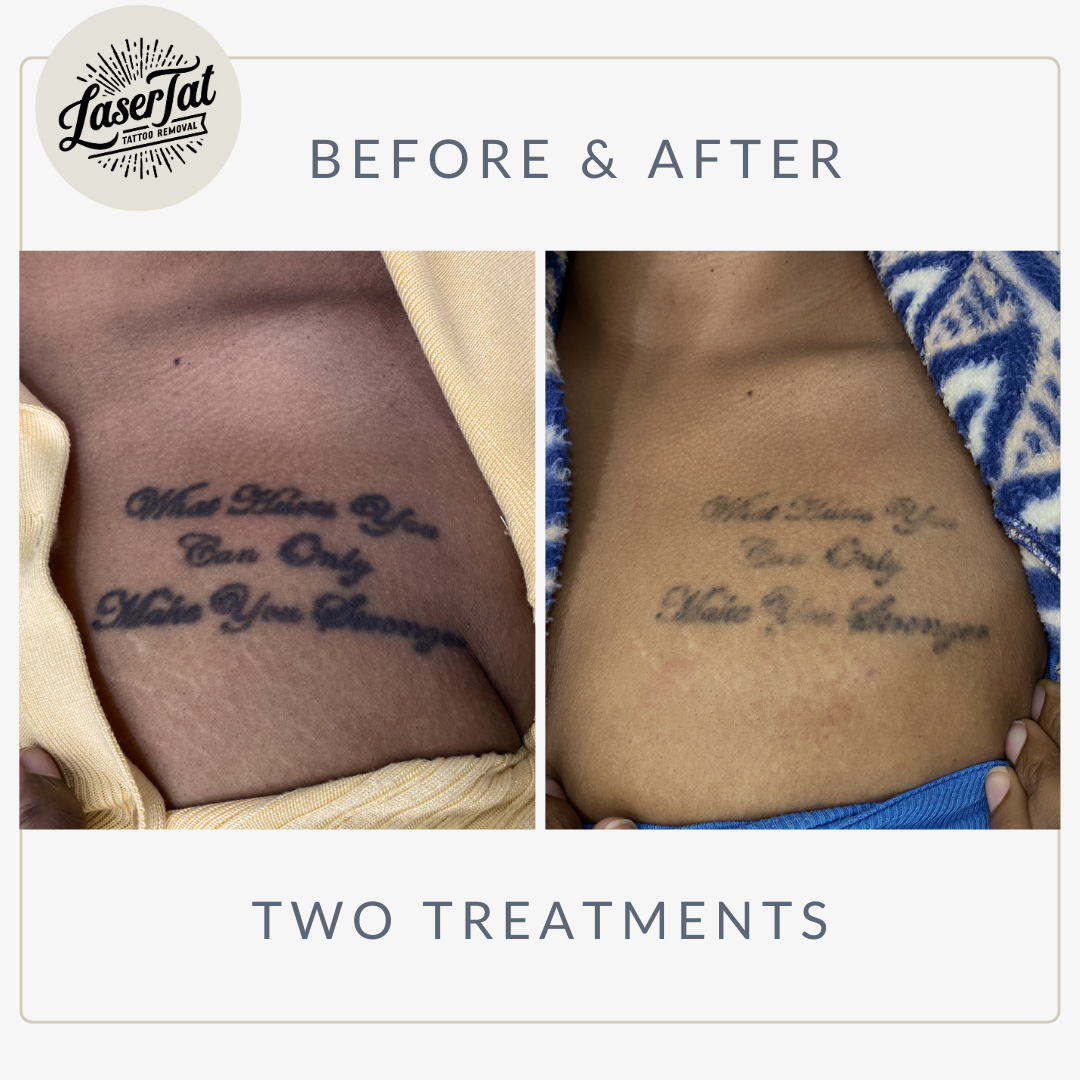
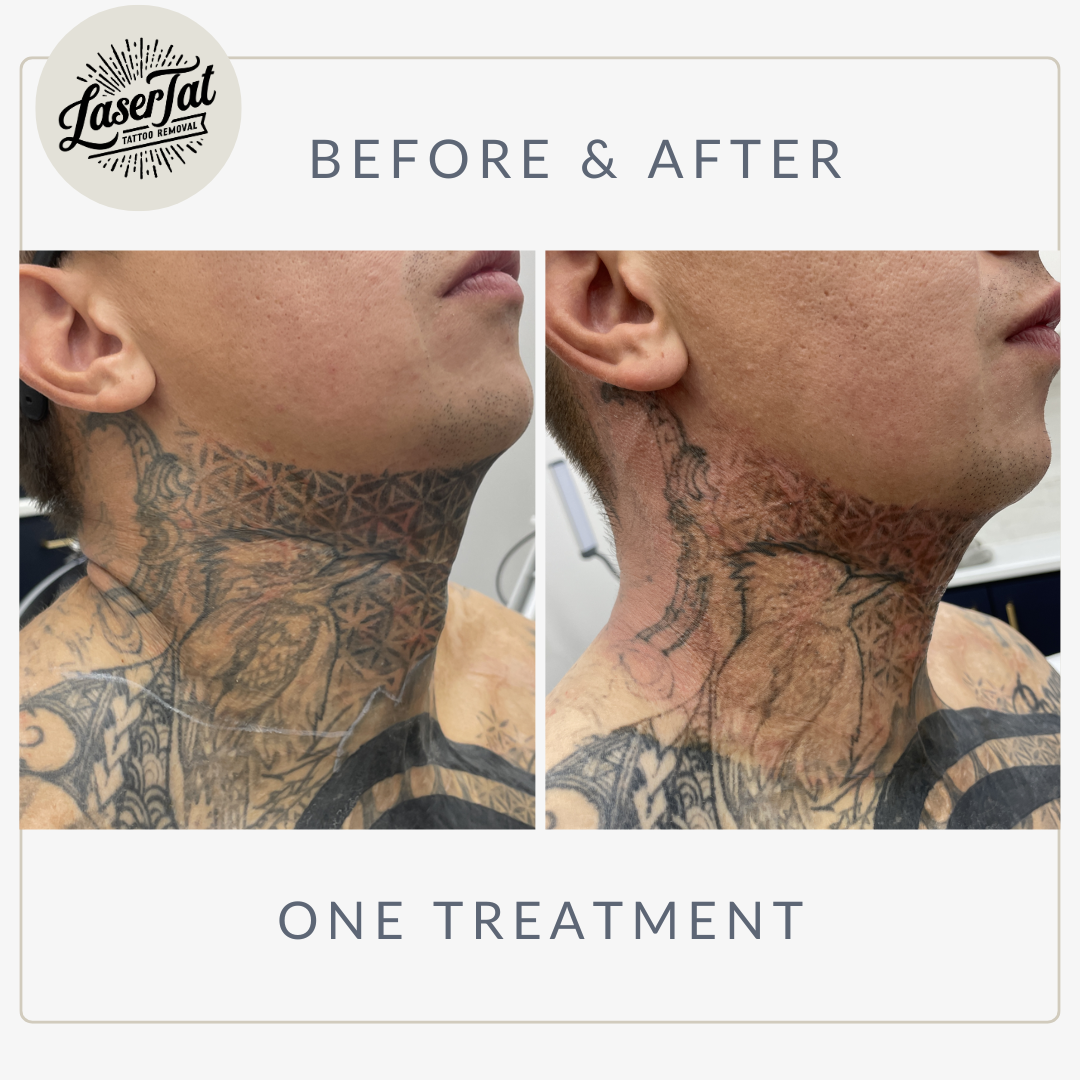
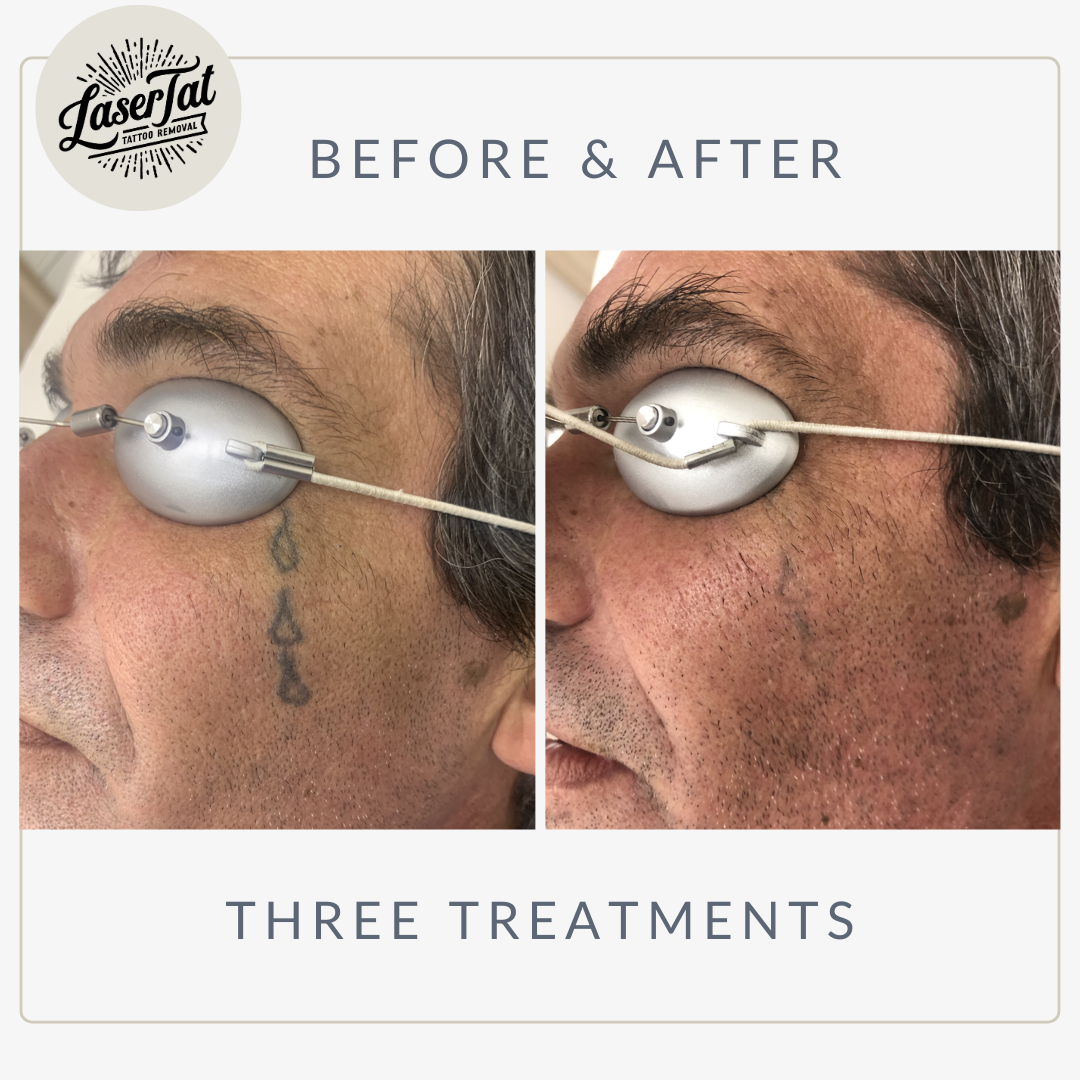
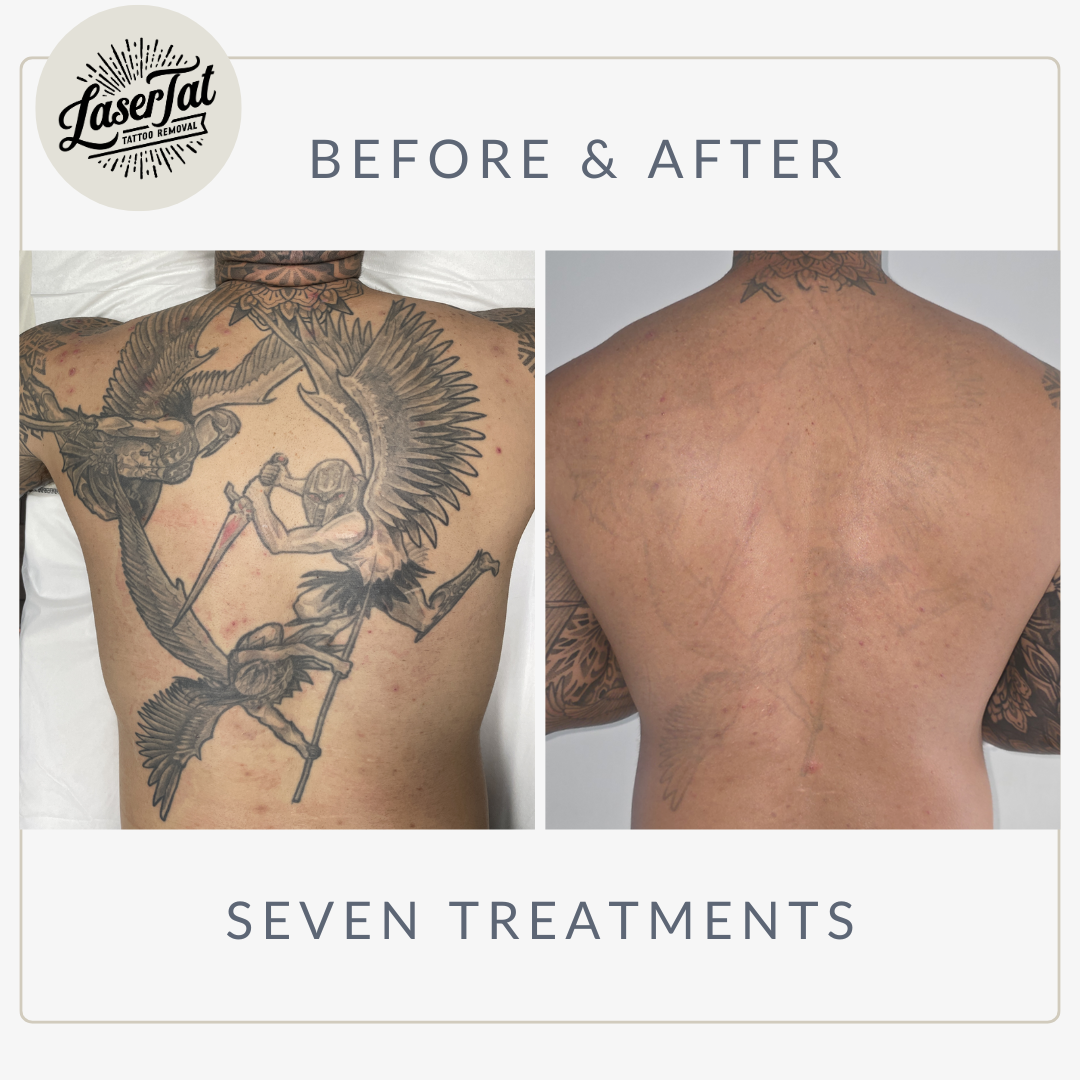
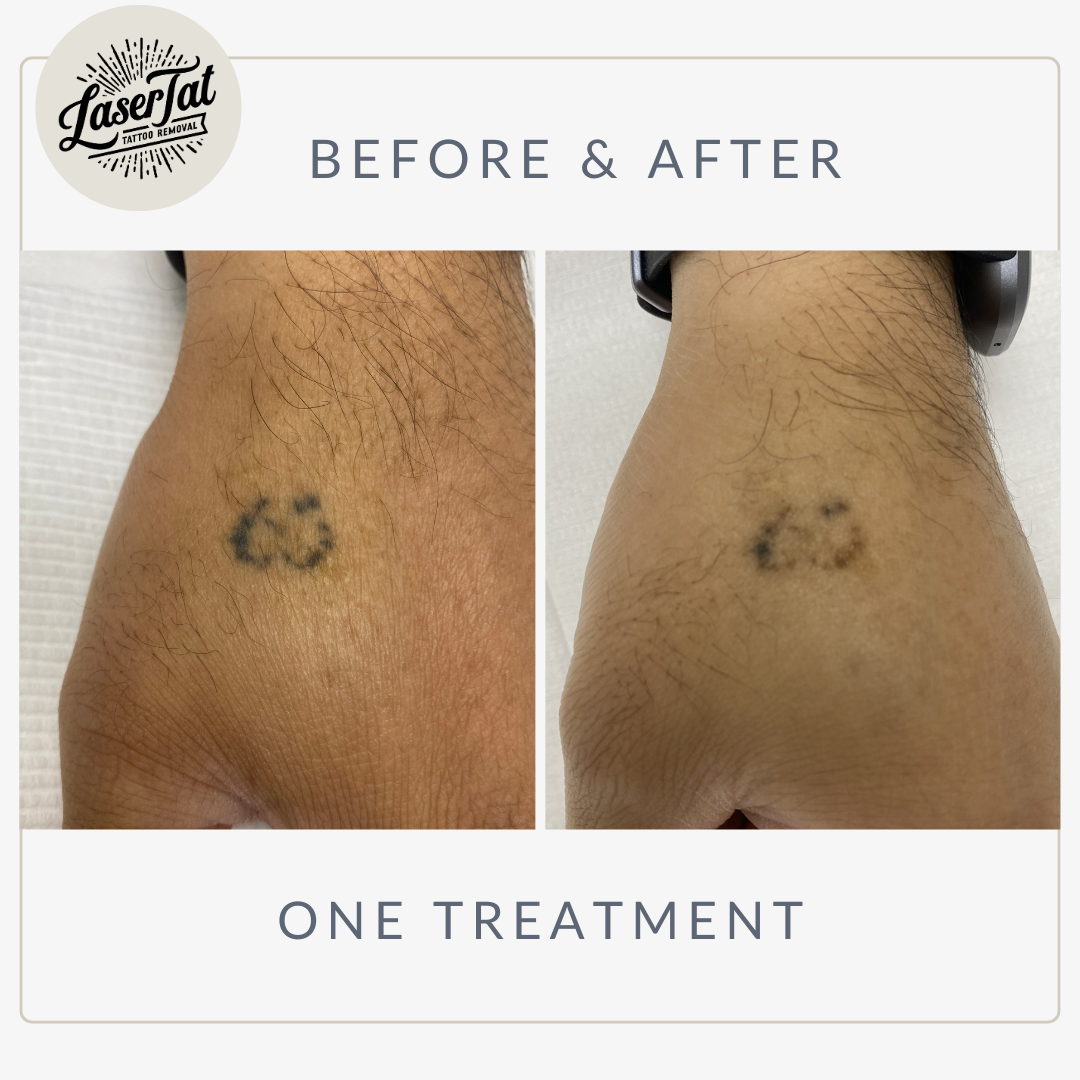
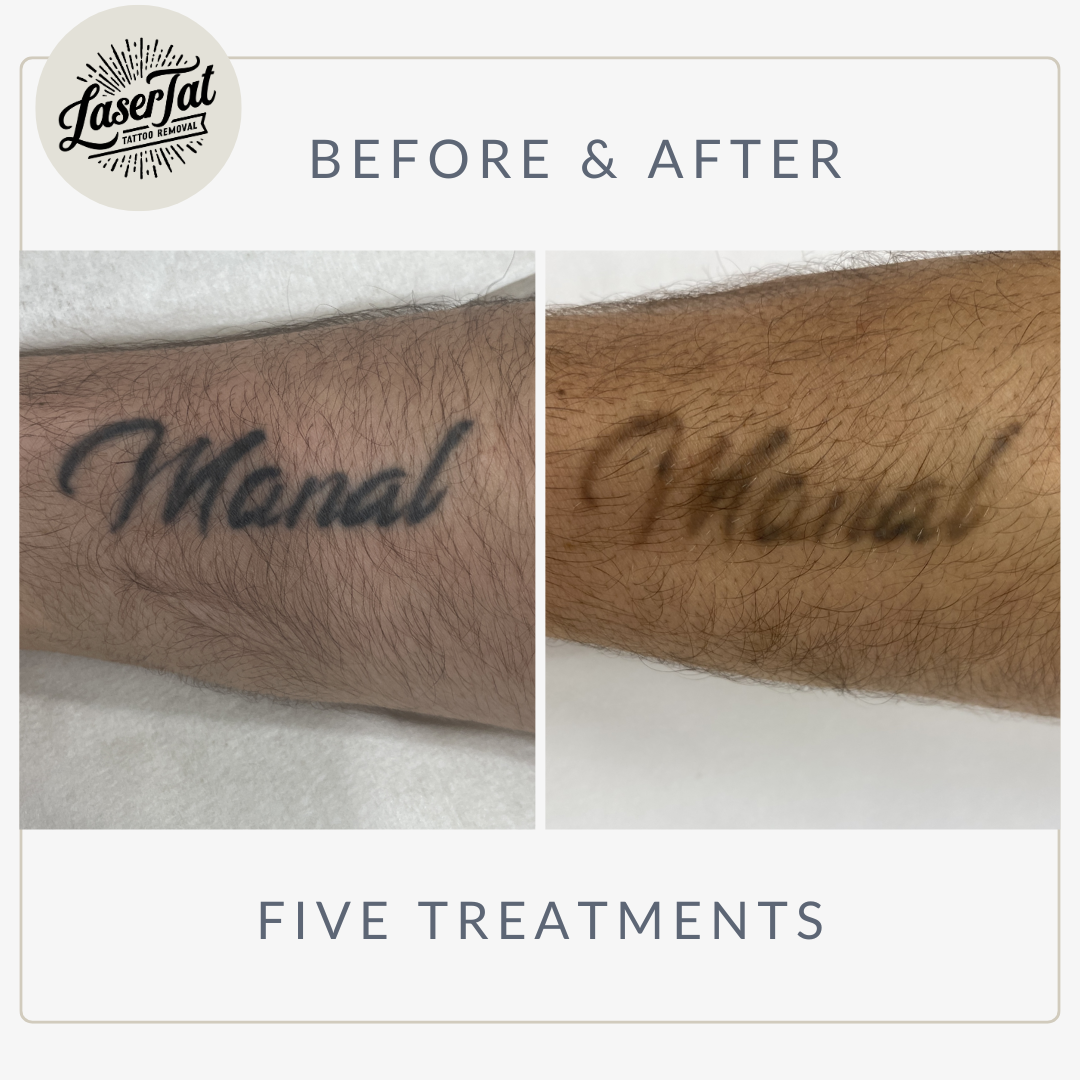
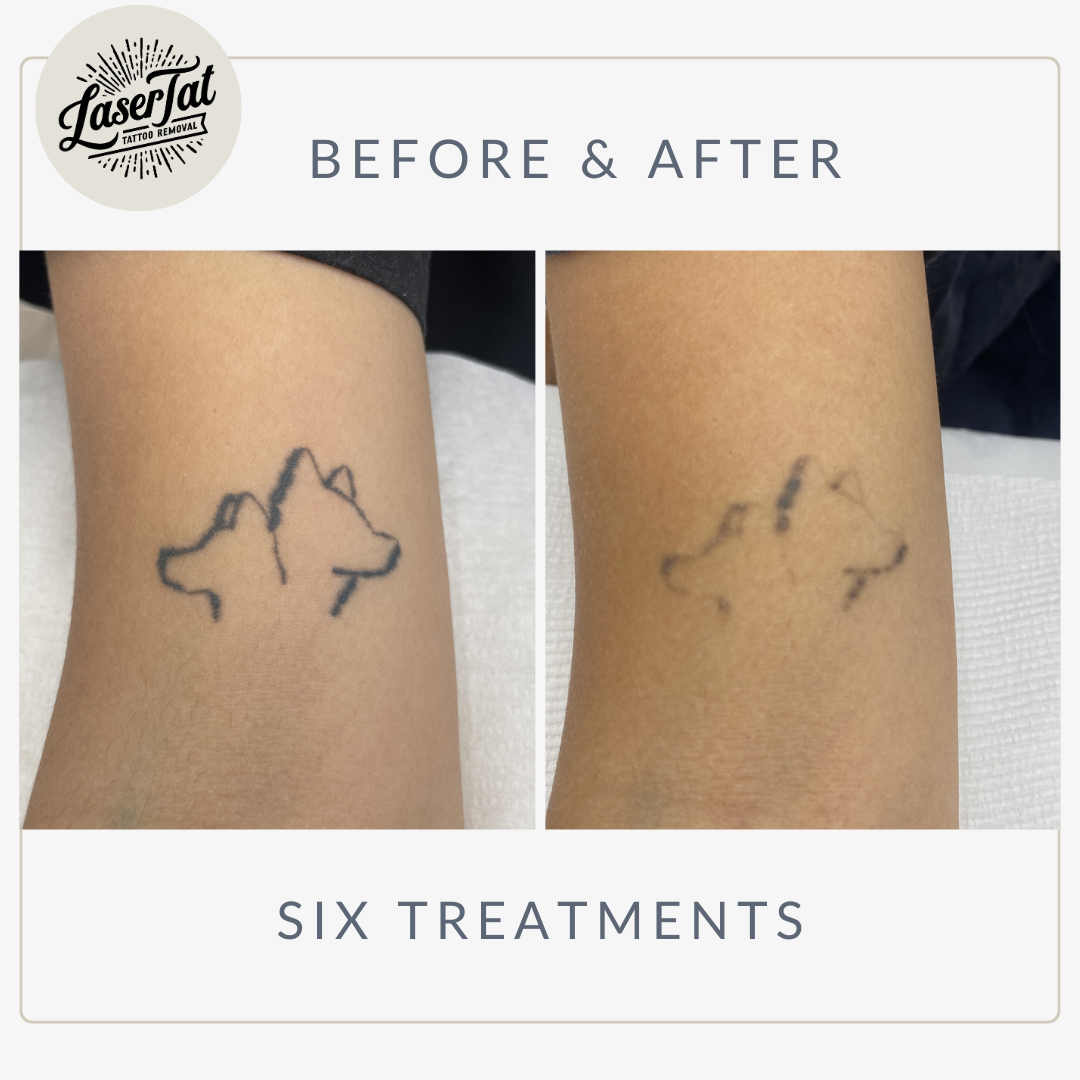
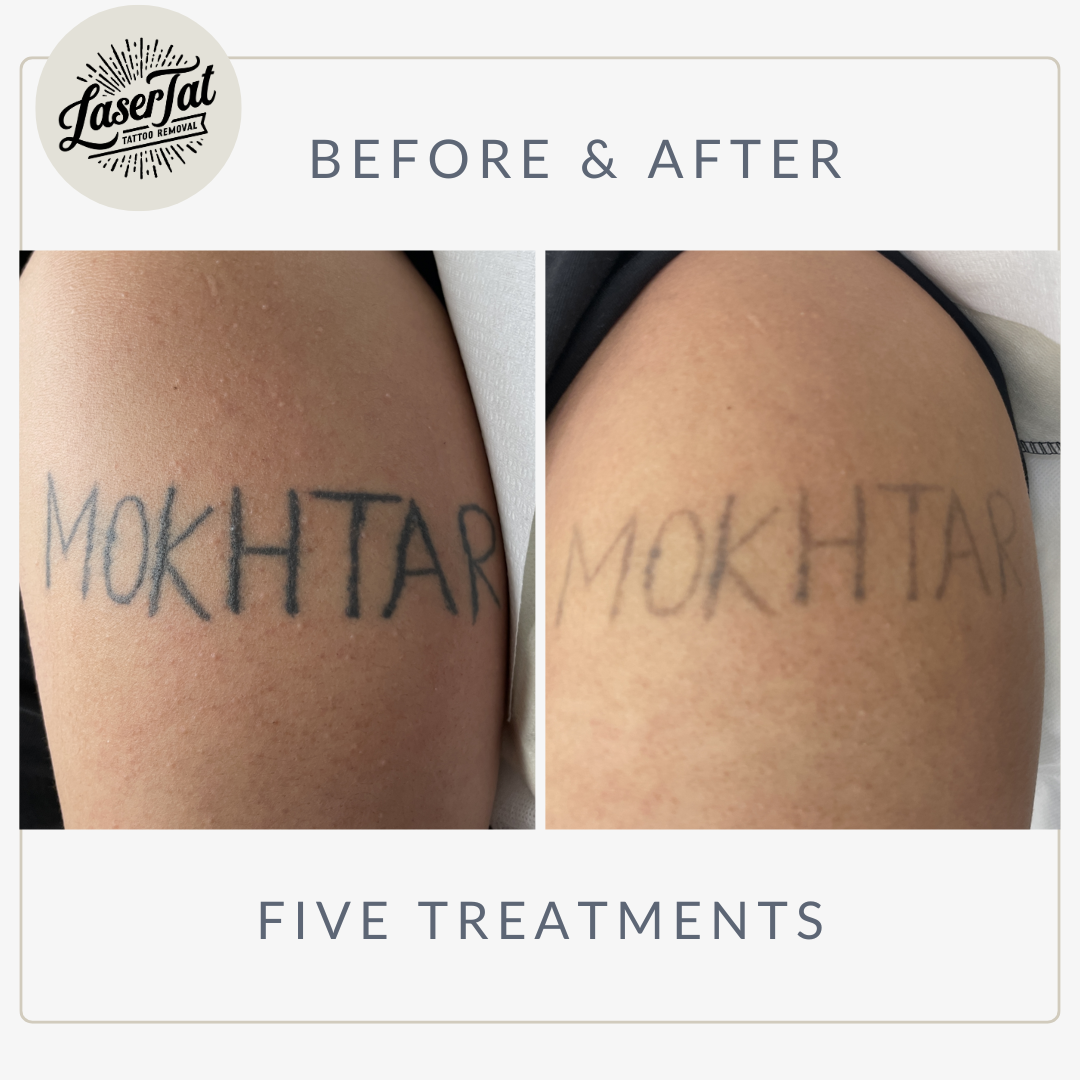
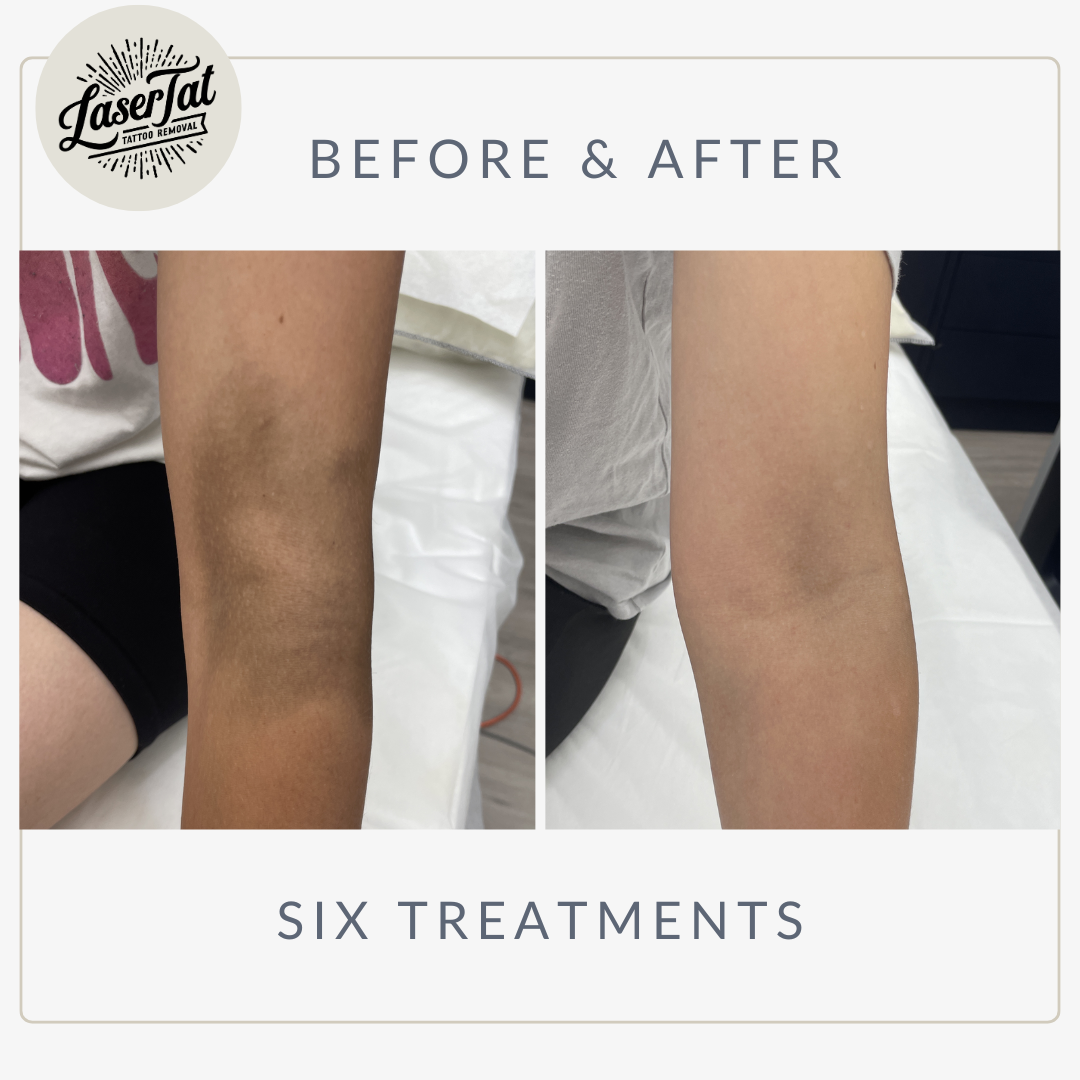
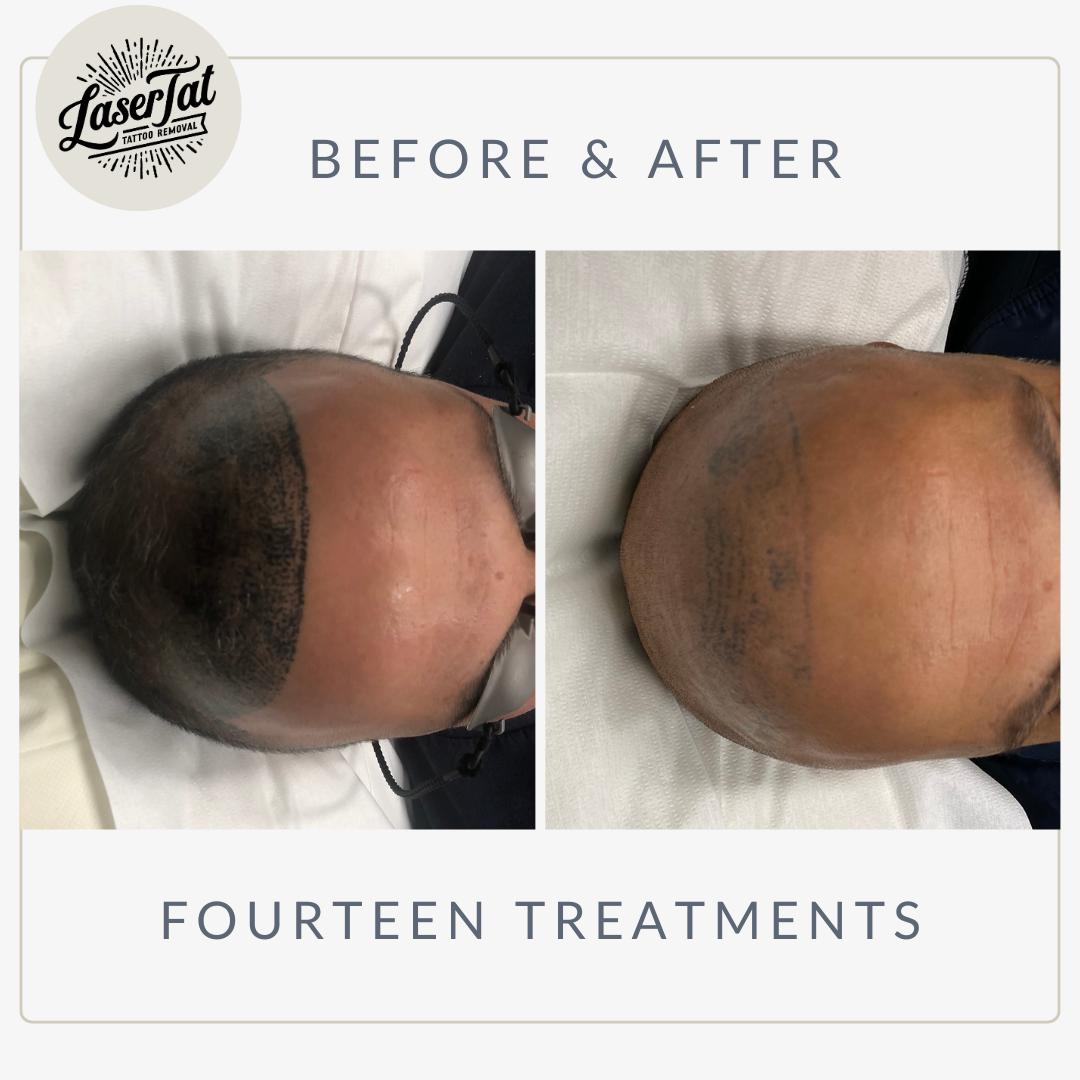
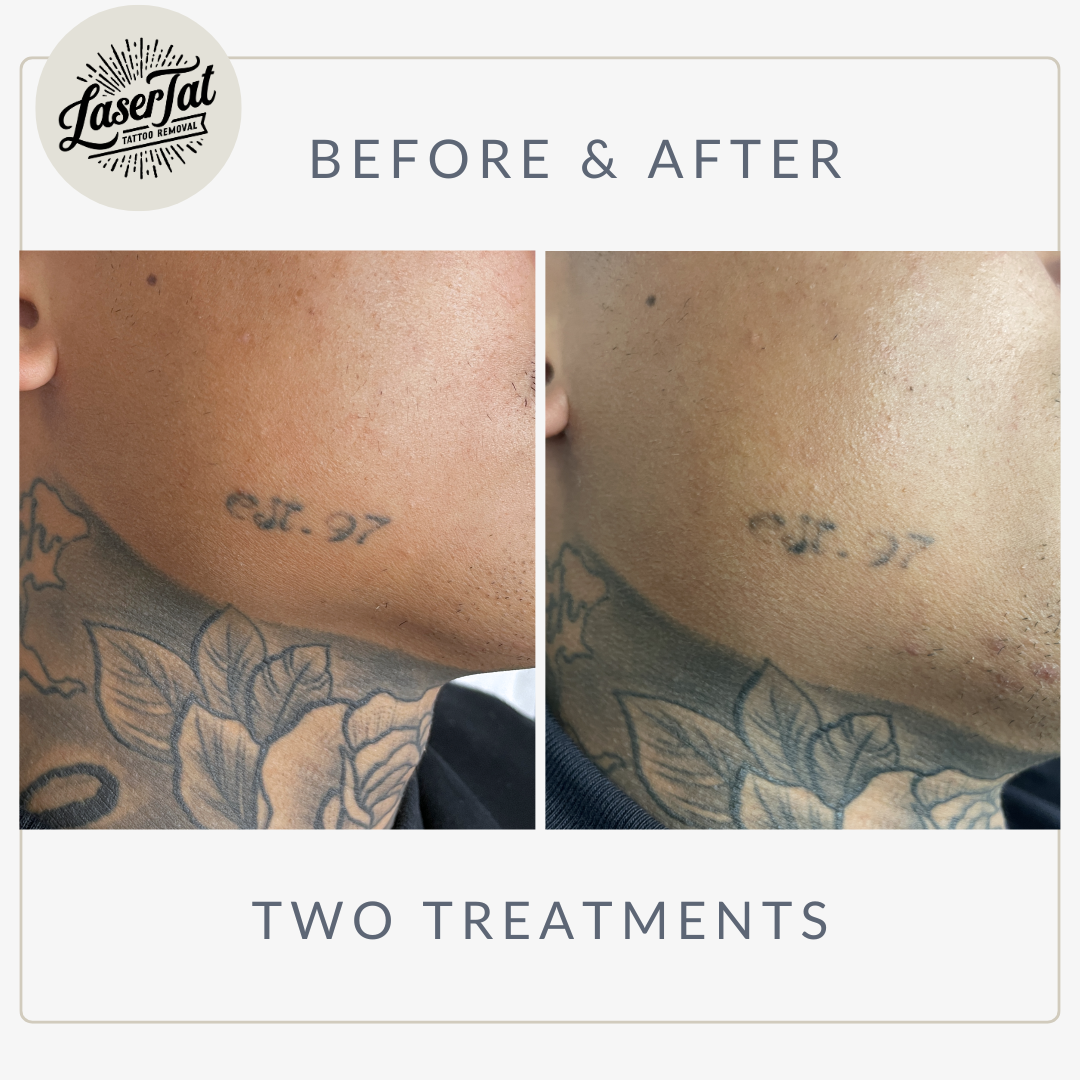
When it comes to tattoo removal on darker skin, patience is your best friend. Our priority is always the health and integrity of your skin. Here is how we adjust our approach to ensure the safest possible journey.
1. Reduced laser settings
We always lean on the side of caution. For darker skin types, we use lower, more conservative laser settings. While this might mean the fading process takes a little longer, it significantly reduces the risk of blistering, scarring, or pigmentation changes. We want your skin to look as healthy and natural as possible once the ink is gone.
2. Extended time between sessions
Normally, we recommend waiting 6 to 8 weeks between laser sessions. However, for clients with darker skin tones, we extend this waiting period to 12 weeks or more.
Your body's lymphatic system does the heavy lifting by flushing out the shattered ink particles. Giving your body more time between sessions not only allows for more ink to fade naturally, but it also gives the skin's melanocytes (the cells that produce pigment) ample time to recover and stabilise. This longer healing window is crucial for preventing hypopigmentation.
3. Comprehensive consultations
Before we even touch a laser to your skin, we conduct a thorough consultation. We assess your skin type, the density of the ink, the age of the tattoo, and your medical history. We will walk you through the entire process, set realistic expectations, and tailor a treatment plan specifically for you.
4. When we may need to say no
While we can safely treat the vast majority of clients with darker skin tones, there are situations where we may advise against proceeding, at least with certain ink colours.
The most common scenario involves coloured tattoos on Fitzpatrick Type V or VI skin.
Here's why: removing coloured ink requires shorter wavelengths. Red ink, for example, is best targeted by the 532nm wavelength. The problem is that 532nm has a significantly higher melanin absorption rate than 1064nm. On skin with elevated levels of natural melanin, using this wavelength carries a high risk of hypopigmentation, which is permanent or long-lasting lightening of the skin that can be very difficult to treat.
In these cases, the risk to your skin simply outweighs the benefit of removing the ink, and we will not proceed. This isn't about the technology failing. It's about us refusing to compromise your skin's integrity.
We will always be upfront with you at consultation. If we cannot safely treat your tattoo, we would rather tell you honestly than risk causing permanent skin damage.
Your skin is in safe hands
Tattoo removal is a journey, and we are here to support you every step of the way. You do not have to live with a tattoo that no longer represents who you are just because you were worried about your skin tone. With the right technology (like our 1064nm wavelength lasers), an expert team, and a patient, tailored approach, you can achieve amazing results safely.